












Pasadena’s parking funds are projected to slip into deficit within the next two fiscal years without changes to rates or new revenue sources, city transportation officials said in a report to the Municipal Services Committee.
In an informational update, the Department of Transportation reported that both the city’s off-street parking fund — which covers eight garages and three surface lots — and its combined on-street meter funds are facing structural imbalances as expenses continue to outpace revenues.
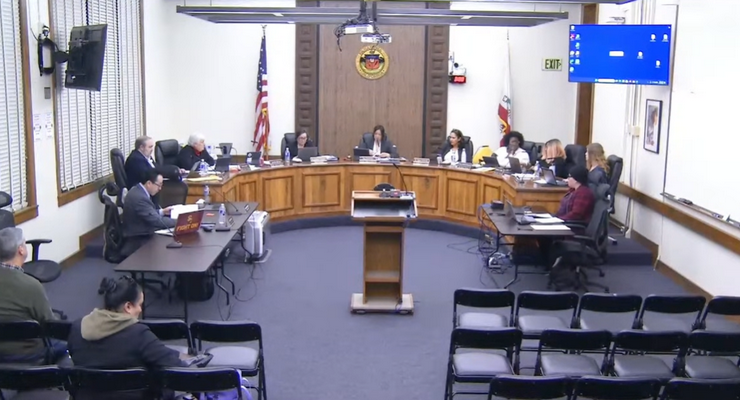
The committee met Tuesday in council chambers.
While parking revenues have largely rebounded to near pre-pandemic levels, rising costs tied to contracts, staffing, inflation and materials are expected to push annual expenses beyond annual revenues beginning in fiscal year 2027, according to the staff report. The off-street parking fund, which currently has a balance of about $2.3 million, is projected to absorb shortfalls through fiscal year 2031 before turning negative if no changes are made.
The city’s on-street meter funds face a similar outlook. With a current balance of roughly $1.45 million, the meter funds are expected to cover projected deficits through fiscal year 2030 before falling into the red under a status quo scenario.
The trends reflect steady revenue recovery since the COVID-19 pandemic but mounting operational and capital costs.
Among the largest anticipated expenses for the garage system are a new operator contract, expanded security services and significant deferred maintenance.
A 2020 engineering study identified nearly $13 million in needed repairs and upgrades across the city’s parking structures, including elevator modernizations, waterproofing and concrete repairs.
Meter system expenses include software and equipment agreements for pay stations, personnel costs and credit card processing fees, all of which are expected to rise with inflation.
Parking rates in the City have remained relatively low compared with other Southern California cities, the report noted. Current on-street meter rates range from $1 to $1.50 per hour, while rates in cities such as Santa Monica, Glendale and Huntington Beach are generally higher.
Staff outlined several potential options to address the projected deficits, including demand-based pricing in high-occupancy garages, special event and flat-rate adjustments, implementation of a parking occupancy tax and paid commercial loading zones.
Officials are also evaluating whether a portion of parking citation revenue that currently flows to the general fund could be redirected to support parking operations.
Under existing municipal code requirements, meter revenues must be used for street and parking-related expenditures within each district.
City staff is expected to continue working with business districts and advisory commissions to refine potential revenue and cost-containment strategies before returning to the council with recommendations.
Without intervention, officials warned, both major parking fund categories are on track to operate in deficit within two fiscal years.
 Get our daily Pasadena newspaper in your email box. Free.
Get all the latest Pasadena news, more than 10 fresh stories daily, 7 days a week at 7 a.m.