








As local residents continue to recover from the Eaton Fire, people around the country can expect more disasters.
According to AccuWeather, wildfires in 2026 are expected to burn significantly more land across the United States despite forecasts calling for fewer total fires than last year, according to a new seasonal outlook.
The forecasting company said persistent drought conditions, dry vegetation and prolonged extreme heat are expected to contribute to larger, more destructive fires capable of scorching extensive areas before firefighters can contain them.
AccuWeather projects between 65,000 and 80,000 wildfires nationwide this year, burning an estimated 5.5 million to 8 million acres.
That compares with 77,850 fires that burned about 5.1 million acres in 2025.
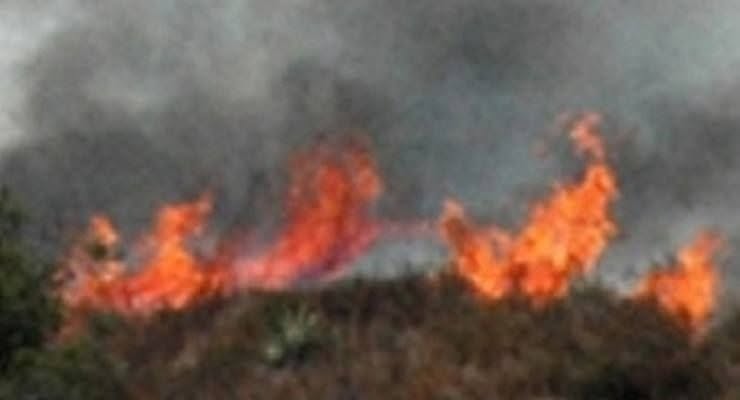
Locally, the Eaton Fire burned more than 14,000 acres in Altadena and Pasadena in 2025. The fire killed 19 people and destroyed nearly 10,000 structures.
Historical averages show roughly 68,700 fires burning about 7 million acres annually.
Forecasters said the greatest wildfire threat in 2026 is expected across the Southwest, the Rocky Mountains, the Great Basin and the Interior Northwest, where drought and heat continue stressing forests and grasslands.
The state is also expected to face elevated fire danger as the summer progresses, particularly in areas where seasonal grasses dry out and become increasingly flammable.
Meteorologists warned that even regions receiving periods of rain earlier in the year could see heightened fire risk later because additional vegetation growth can dry out during prolonged heat events, creating more available fuel.
AccuWeather said wildfire smoke is also expected to remain a major concern far beyond active fire zones, potentially affecting air quality across large portions of the country.
Experts noted that smoke from major wildfires can travel thousands of miles, contributing to respiratory problems and reducing visibility in areas far removed from the flames themselves.
The forecast also highlighted broader long-term concerns tied to ongoing drought conditions, including impacts on water supplies, agriculture and ecosystems already under stress from rising temperatures and reduced snowpack in parts of the West.
AccuWeather meteorologists said they are available to discuss regional wildfire risks, smoke impacts, drought conditions and broader climate-related concerns throughout the 2026 fire season.
 Get our daily Pasadena newspaper in your email box. Free.
Get all the latest Pasadena news, more than 10 fresh stories daily, 7 days a week at 7 a.m.