










The audit reviewed searches conducted in the Flock system and found they were tied to legitimate law enforcement purposes, including investigations involving stolen vehicles and other crimes.
The review also determined officers followed department policies governing access to the system and that all searches were logged and traceable through the platform’s auditing tools. The report also found that no federal agencies accessed the City’s Flock system or its investigations during the audit period.
The committee will receive a presentation on the department’s use of the system, which captures license plate images and vehicle characteristics to assist investigators in identifying vehicles linked to crimes such as burglaries, vehicle thefts and violent offenses.
Supporters of the technology say the cameras provide valuable investigative leads and allow police to locate stolen vehicles and suspects more quickly.
The systems, typically mounted on poles or traffic infrastructure, operate continuously and convert license plate images into searchable data that can be used by law enforcement.
At the same time, Flock automated license plate reader systems have drawn criticism from privacy advocates and some residents in cities across the country who warn that large networks of cameras could allow governments to track vehicle movements over time.
As immigration enforcement has intensified in recent months, residents in several U.S. cities have urged local officials to stop using the system, citing fears of mass surveillance and concerns that locally collected data could be used to support federal deportation efforts.
Flock Safety has contracts with more than 5,000 law enforcement agencies nationwide.
At least 30 localities in Arizona, Massachusetts, Oregon and California have either deactivated their Flock cameras or canceled their contracts.
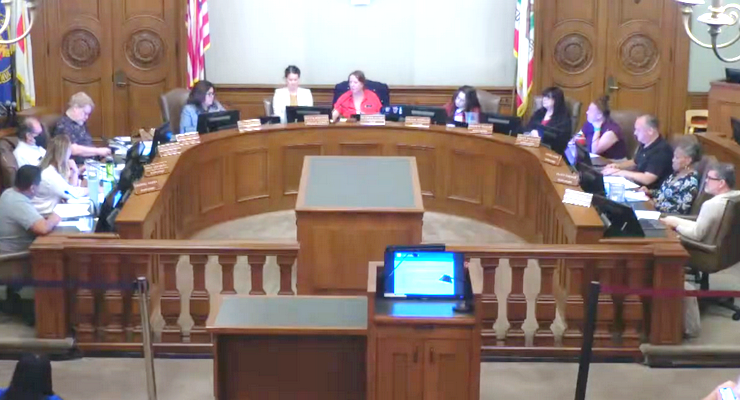
The committee meets at 5 p.m. on Wednesday at City Hall.
 Get our daily Pasadena newspaper in your email box. Free.
Get all the latest Pasadena news, more than 10 fresh stories daily, 7 days a week at 7 a.m.