





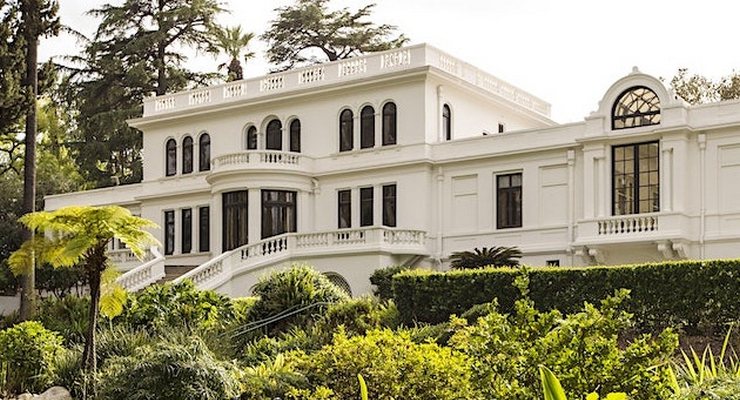
The donation, given by Cynthia Batchelder, the artist’s great-granddaughter, includes approximately 20 paintings, pottery—bowls, platters, vases, and a teapot—tiles, and personal photographs, according to a museum statement. It is the latest addition to a Batchelder collection that PMH has been building for a decade, and it expands the public record of an artist best known for his tiles into the lesser-documented territory of his painting and pottery.
“Pasadena Museum of History is deeply honored to be entrusted with this outstanding addition of Ernest Batchelder’s art and photographs,” said Anuja Navare, the museum’s Director of Collections. “The Museum is committed to preserving and sharing the legacy of this influential artist and to continue discovering and documenting the extent of his far-reaching impact through the Batchelder Registry, a database of Batchelder installations in the U.S. and Canada which PMH launched in 2016.”

The donation carries particular weight in the wake of the January 2025 Eaton Fire, which destroyed thousands of homes in Altadena—many containing Batchelder tilework. After the fire, volunteers from a group called Save the Tiles raced to salvage Batchelder installations from ruins before demolition crews arrived.
Navare said the museum is cataloging the newly donated paintings and pottery. The photographs will be incorporated into the Batchelder Family Papers. Some of the paintings will go on view starting March 7, 2026, in the exhibition “Pasadena Palette: Selections from Pasadena Museum of History’s Collection,” which will run through December 2026, according to the museum. Once cataloging is complete, the full collection will be accessible through the PMH database in the Research Library and Archives.
The artist’s grandson, the late Alan Batchelder, had previously donated over 100 sketches along with family papers, photographs, correspondence, and materials related to the Batchelder-Wilson Company. In 2016, architectural historian Robert Winter donated over 200 Batchelder tiles and archives to PMH. Winter, who lived in Batchelder’s original Arroyo Seco bungalow from 1972 until his death in 2019, curated the museum’s 2016 exhibition “Batchelder: Tilemaker.” The following year, the Tile Heritage Foundation gifted a glazed architectural terra-cotta “Peacock” made by the Batchelder-Wilson Tile Company in the 1920s to PMH as a tribute to Winter—the first major gift the foundation had made to another collection, according to the museum.
The museum plans to feature the donated paintings and slip-cast pottery in future exhibitions, according to the statement.
“We are currently cataloging the paintings and pottery; the photographs will be incorporated into the Batchelder Family Papers,” Navare said.
The Pasadena Museum of History is located at 470 W. Walnut St., Pasadena. For information about current exhibitions and the Research Library and Archives, visit pasadenahistory.org.
Batchelder’s influence on Pasadena’s built environment extended well beyond private homes. His tiles appear in the Pasadena Playhouse’s courtyard fountain, on the floors of All Saints Episcopal Church, and in other local landmarks. The museum’s growing collection now offers an extensive public record of the artist’s work—from tile to canvas to clay.
 Get our daily Pasadena newspaper in your email box. Free.
Get all the latest Pasadena news, more than 10 fresh stories daily, 7 days a week at 7 a.m.


