










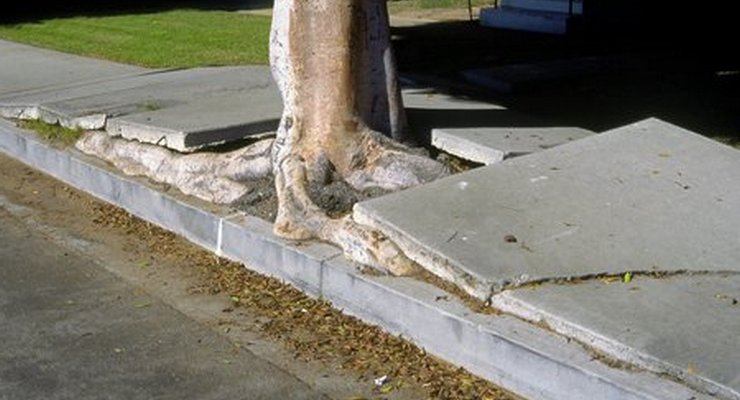
Pasadena officials are evaluating potential changes to the city’s sidewalk repair program amid rising construction costs, aging infrastructure and growing legal liability tied to pedestrian injuries.
Public Works Director Greg de Vinck and City Engineer Brent Maue presented an overview of the program to the Municipal Services Committee on Feb. 24, outlining repair progress, funding constraints and proposed operational updates.
De Vinck said the city’s sidewalk system — spanning roughly 600 miles — often receives attention only after injuries occur.
“It’s really one of our larger infrastructures and it doesn’t get a lot of attention until we constantly pay trip and fall lawsuits,” de Vinck told the committee.
Officials are proposing to replace the city’s static 2015 inventory system with a phased inspection model using mobile GIS technology. The approach would allow crews to identify hazards, track repairs digitally and address the most urgent locations more quickly.
Committee members expressed interest in modernizing the program and examining policy changes, including whether to adjust the property-owner cost threshold tied to building permits.
Councilmember Rick Cole described sidewalks as one of the most basic public services cities provide.
“It’s besides electricity and water, it’s the first thing people experience when they walk out their front door that the city does,” Cole said.
Cole warned that flat funding levels, combined with inflation and rising construction costs, mean the city is falling behind on maintenance needs.
Staff said repair costs per square foot have climbed significantly over the past decade, reducing how much work the city can complete each year.
A 2015 citywide survey identified about 18,000 damaged sidewalk locations totaling more than 1.1 million square feet. Officials said roughly three-quarters of those repairs have since been completed.
The program is funded through a combination of general fund allocations, federal Community Development Block Grant money and fees assessed to property owners when building permits trigger sidewalk inspections. The city currently dedicates about $1 million annually — a figure that has remained largely unchanged for years despite escalating repair costs.
Committee members said the funding gap is becoming increasingly difficult to manage.
No formal action was taken. Staff are expected to return with additional funding and policy recommendations as the city continues evaluating how to accelerate repairs while managing long-term liability risks.
 Get our daily Pasadena newspaper in your email box. Free.
Get all the latest Pasadena news, more than 10 fresh stories daily, 7 days a week at 7 a.m.


