






Beginning next month, the City will conduct coyote assessments in four neighborhoods to gain a better understanding of coyote behavior, including local coyote population and attractants.
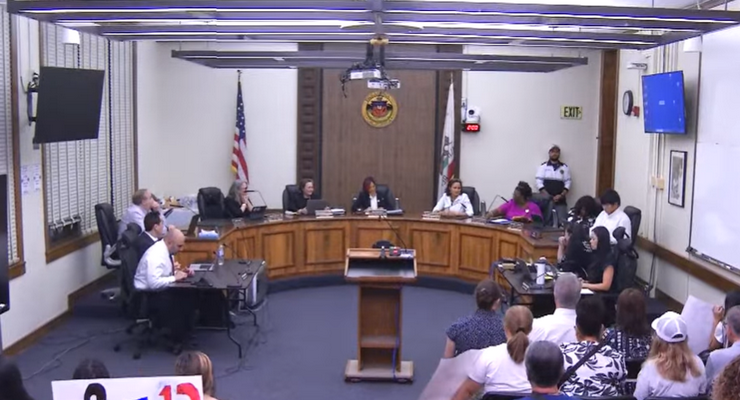
In 2023, Pasadena City Council approved staff recommendations to dedicate resources to enhance public outreach, learn more about local coyotes from experts, and assist residents in protecting their pets and loved ones.
At that meeting, the Council directed the Pasadena Public Health Department to increase public outreach and education to promote the culture of hazing, removal of coyote attractants, and compliance with laws prohibiting wildlife feeding. The Council also directed the department to improve local coyote reporting systems and bring in a panel of coyote experts to improve understanding of effective approaches.
According to Acting Director of Public Health Manuel Carmona, there were 159 coyote concerns reported to the CSC in 2022. Twelve of them related to injured or killed pets.
No person was injured by coyotes in 2022.
Members of the City Council expressed opposition to lethal control methods to control the coyote population.
Earlier this month, the city called on residents to avoid coyotes.
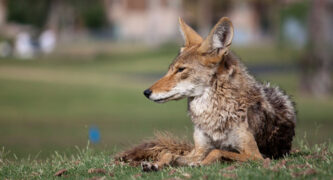
“Coyotes are naturally fearful of people and typically go out of their way to avoid human interaction,” said Acting Director of Public Health Manuel Carmona. “When coyotes are comfortable around humans, it is a strong sign that someone nearby is intentionally or inadvertently feeding them.”
The city’s public health department has secured the services of Humane Wildlife Control to conduct a field study in up to four neighborhoods where coyote complaint data demonstrates heightened community concerns.
Humane Wildlife Control plans to study coyote behavior through in-person canvassing and the use of cameras to gather information about coyote activity.
Prior to the start of each assessment, the health department will notify residents about assessment activities. In addition, signs informing residents about the purpose of cameras and their locations will be placed in neighborhoods where assessments are being conducted. Cameras may be mounted to light poles, trees, or street signs for a maximum of four days.
Cameras will capture public rights of way such as streets, walkways, parks, or other public areas.
Footage may show front lawns, but cameras will avoid direct views of homes.
According to a city statement, cameras will not capture any areas where a resident would have an expectation of privacy, and audio recording functions will be disabled.
The city will only retain recordings that feature coyotes and, upon issuance of the neighborhood assessment reports, will delete any gathered footage where coyotes are not present.
The result of each assessment will be included in a written report that will help the city understand coyote behavior in the selected neighborhoods, including recommended actions expected to reduce the possibility of human-coyote conflicts.
Adolescent coyotes leave their dens in late summer or at the start of Fall due to pack leaders forcing them out of their packs. As they begin searching for their own territory or a new pack to join, the possibility of coyote activity in Pasadena neighborhoods increases.
 Get our daily Pasadena newspaper in your email box. Free.
Get all the latest Pasadena news, more than 10 fresh stories daily, 7 days a week at 7 a.m.