









The Colorado River is expected to get new rules soon, which could mean less water for Southern California and potentially Pasadena.
New rules will require Arizona, California and Nevada to cut water use by a fifth over the next two years. This limits total regional withdrawals to 3.2 million acre-feet through 2028, with steeper reductions slated for the 2029–2036 period to combat severe mega-drought.
The Colorado River provides water to nearly 40 million people across seven states: California, Arizona, Nevada, Colorado, Utah, New Mexico and Wyoming. It also provides electricity to nearly 8 million people.
But the river continues to face a crisis. Years of overallocation, climate change, low snowpack and heavy water use have reduced water levels in Lake Mead and Lake Powell, the river’s two largest reservoirs.
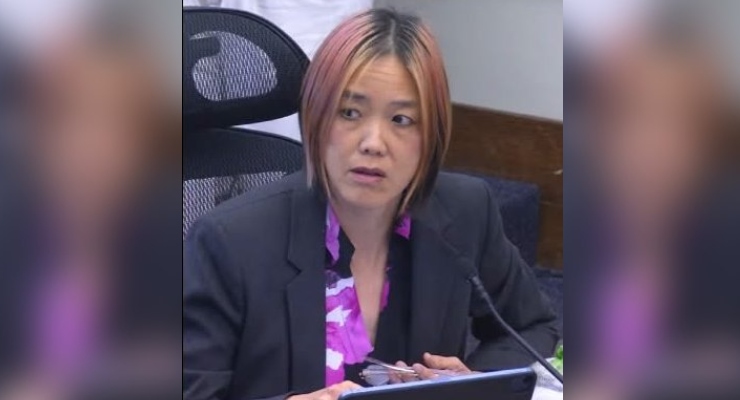
Pasadena Councilmember Justin Jones, chair of the City Council’s Municipal Services Committee (MSC), said the situation shows why Pasadena needs to continue building a diverse and flexible water supply.
“It’s all about making Pasadena and our region less vulnerable,” Jones said. “Imported water is an important part of our water supply, but we must continue to increase the flexibility of our water portfolio. Taking stronger leadership on the Raymond Basin, increasing stormwater capture and conserving water give us more options and help us prepare for changing conditions.”
The seven states that rely on the Colorado River have struggled to agree on how to divide its limited water supply. The federal government is now preparing new rules that could require states to use less water from the river.
What happens to the Colorado River matters to Pasadena.
Pasadena gets about two-thirds of its water from the Metropolitan Water District of Southern California. Metropolitan brings water to the region from the Colorado River and Northern California through the State Water Project. Pasadena also gets local water from the Raymond Basin, the groundwater basin beneath Pasadena and nearby communities.
Imported and local water gives Pasadena different sources to rely on. But if less Colorado River water is available in the future, having a flexible water portfolio will become even more important.
Pasadena has been working to strengthen its groundwater supply, stormwater capture and conservation.
Those efforts will not fully replace Pasadena’s share of imported Colorado River water, nor are they intended to. Instead, they can give Pasadena more flexibility and help reduce its vulnerability when conditions on the Colorado River change.
The U.S. Bureau of Reclamation is expected to release more details on the new Colorado River rules soon.
 Get our daily Pasadena newspaper in your email box. Free.
Get all the latest Pasadena news, more than 10 fresh stories daily, 7 days a week at 7 a.m.