






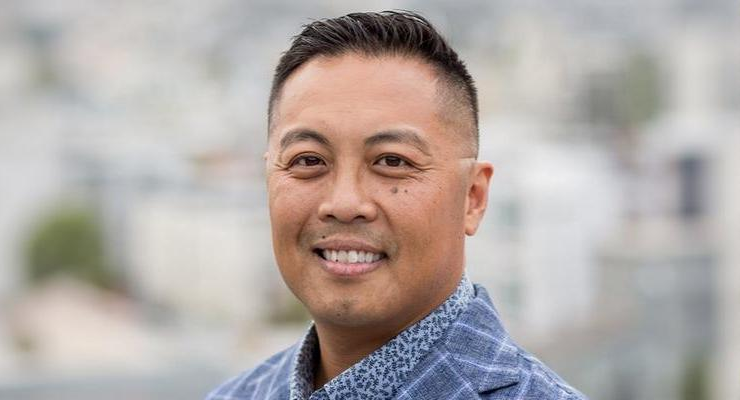
“Even with nearly $1 billion in charitable giving across Los Angeles, philanthropy covers only a fraction of the tens of billions needed for true recovery,” said Khanh Duy Russo, president and CEO of the Pasadena Community Foundation.
More than half of all Eaton Fire survivors are at risk of losing their displacement coverage within a year—or never had it at all, according to one survey. The same survey found that just over half of survivors want a case manager, but only 6% have one.
The Pasadena Community Foundation launched its Eaton Fire Relief & Recovery Fund on January 8, 2025—within 24 hours of the fire—seeding it with $100,000 from foundation reserves, according to PCF.
Within 10 days, the foundation had distributed approximately $500,000 in its first round of grants to about 20 nonprofit partners.
The turning point came several months in, Russo said, when it became clear that “displacement was becoming chronic, not temporary.”
In response, PCF deliberately shifted from emergency relief toward longer-term recovery investments—including housing stabilization, insurance navigation, and mental health support.
Families with “standing but damaged” homes were often worse off financially than those with total losses, Russo said, facing repeated moves, out-of-pocket remediation costs, and insurance denials.
PCF helped seed the Altadena Builds Back Foundation to support rebuilding over years, not months. According to LAist, citing PCF, the foundation allocated $55 million to ABBF from approximately $70 million it received in the fire’s aftermath. ABBF has awarded a $4.55 million grant to San Gabriel Valley Habitat for Humanity to rebuild 22 homes for underinsured homeowners in West Altadena, according to LAist.
The Collaboratory—located in Altadena—now serves as a coordinated hub for survivors, Russo said, housing the Eaton Fire Collaborative and multiple recovery groups so residents can access vetted resources and reduce the burden of “figuring it out alone.”
“Sharing power isn’t just a value—it’s a practical necessity,” Russo said. “Recovery moves faster and more equitably when those closest to the impact help lead the response.”
In December 2025, the Community Healing and Restoration Grant Initiative, funded by PCF, the California Community Foundation, UniHealth Foundation, and other funders, provided $8 million to more than 60 programs supporting survivors of the Eaton and Palisades fires, according to the foundation.
But Russo said private philanthropy cannot close the gap alone.
The Milken Institute’s January 2026 analysis found that even with nearly $1 billion in charitable commitments across Los Angeles, philanthropic resources remain dwarfed by the tens of billions in estimated damages and recovery need.
“Survivors’ unmet needs require federal and other public recovery dollars at historic levels,” Russo said.
PCF is now using its voice and relationships to elevate what the community needs: faster, clearer, and more accessible public recovery funding, and policy solutions that remove bottlenecks.
“This anniversary is not just a milestone—it’s a mandate,” Russo said.
 Get our daily Pasadena newspaper in your email box. Free.
Get all the latest Pasadena news, more than 10 fresh stories daily, 7 days a week at 7 a.m.


