



At the Pasadena Senior Center, we offer 33 classes a week—tai chi, memoir writing, five levels of French, Spanish, watercolor, tech literacy, and more—plus a robust lineup of activities and health-related lectures. Our members range from 50 to 100+, and they show up with curiosity, resilience, and humor. They are artists, advocates, caregivers, and community builders. And yet, outside our walls, they’re often invisible.
Ageism is the quiet prejudice that still gets a pass. It’s in the job rejections that cite “culture fit,” the media portrayals that reduce older adults to punchlines, and the policies that treat aging as decline rather than evolution. It’s also what stops many people from walking through our doors. They need the classes, the connection, the community—but they hesitate, afraid that joining a senior center means admitting they’re “old.”
But here’s what we know: older adults are not a burden. They are a resource. They are the keepers of stories, the mentors, the volunteers who show up when others don’t. They are also learners—eager to master Zoom, explore Japanese brush painting, try AI paint for the first time, or finally understand their iPhone.
Ageism doesn’t just harm individualism, it shrinks our collective imagination. It tells us that innovation belongs to the young, that relevance has an expiration date, and that aging is something to fear. At the Pasadena Senior Center, we reject that narrative every day.
We see older adults starting businesses, writing books, learning new languages, and mentoring the next generation. We see people recovering from surgeries, navigating grief, and still showing up to dance class. We see joy, grit, and growth. And we see how powerful it is when older adults are given space to thrive.
One of our members, a retired City of Pasadena worker, is 101 years old and works out five days a week at our fitness center. His motto? “Keep on moving.” Then there’s our resident tap dance troupe—the Tap Chicks—whose members range from 50 to 85. They perform all over Southern California in sparkly vests and unapologetic joy. As one dancer put it, “We sparkle—why not show everyone?” These are no exceptions—they’re examples of what happens when age is not treated as a limitation.
And yet, ageism persists. It’s baked into our systems, our language, and our assumptions. It shows up in healthcare, employment, media, and even in casual conversation. It’s the reason older adults are often left out of planning discussions, community design, and cultural storytelling.
We need to do better. That means challenging stereotypes, amplifying older voices, and designing programs and policies that reflect the full spectrum of aging. It means funding senior centers not as afterthoughts, but as essential hubs of connection, creativity, and care.
It also means looking inward. Ask yourself: When was the last time you assumed someone was “too old” for something? Too old to work, to learn, to fall in love, to start over? What if we replaced those assumptions with curiosity?
At the Pasadena Senior Center, we believe aging is a stage of growth, not retreat. We believe in lifelong learning, intergenerational connection, and the power of older adults to shape culture, policy, and community. And we believe it’s time for society to catch up.
So, the next time you hear someone say, “She’s sharp—for her age,” or “He’s still working?”—pause. Ask yourself what assumptions are hiding in that sentence. Then come visit us. Take a class. Talk to our members. You’ll leave with a new definition of vitality—and maybe a sparkly vest of your own.
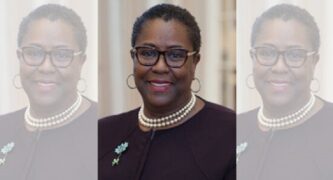
Akila Gibbs is executive director of the Pasadena Senior Center.
 Get our daily Pasadena newspaper in your email box. Free.
Get all the latest Pasadena news, more than 10 fresh stories daily, 7 days a week at 7 a.m.