






On Monday night, the Pasadena City Council spent more than three hours debating the design of a single apartment building—down to its hallways, its courtyard, and the fate of a neighboring oak tree.
Later that same evening, just before our midnight adjournment, we unanimously adopted a set of rules designed to make sure we never have to do that again.
Love it or hate it, taller, denser housing is coming to Pasadena neighborhoods. You can blame the State government for enacting sweeping laws stripping local authority over planning, giving developers the right to override local zoning restrictions. You can blame cities for decades of failure to permit adequate housing for a growing population and shrinking household sizes, pushing rents and mortgages sky high. But whoever or whatever you want to blame, there are half a dozen huge proposed developments sparking controversy across our city – and this is just the beginning.
Monday’s long debate addressed an appeal by neighbors of the Design Commission’s approval of a four-story, 46-unit condo building on Oak Knoll near McKinley School. This project is among the first of a string of major projects working their way through design approvals despite intense neighbor pushback.
Design review is the only area left to cities to regulate. State laws give developers the right to exceed existing height limits, add up to 50% more units and reduce or even eliminate required parking.
Pasadena has strong design “guidelines” in our Downtown Plan, along with citywide rules called “The City of Gardens” ordinance. The latter, adopted 35 years ago, reshaped lower density apartment and condo development, mandating central courtyards or gardens, visible from the street.
The Design Commission attempted to enforce those guidelines on the Oak Knoll project. Yet despite their direction, the developer insisted on a strange format where the units on the top three floors faced outward onto enclosed exterior hallways, instead of the interior courtyard. Because hallways must be lit, neighbors would stare up into the tallest building in the neighborhood, illuminated 24 hours a day. Moreover, the thin, narrow interior courtyard resembled more an airshaft than a genuine garden space, barely visible from the street. That design would also require significant pruning back of a magnificent native oak on the property next door.
Since the developer’s design met the bare minimums required, the Design Commission approved the project on a 4-2 vote.
That’s how it landed in the Council’s lap. More than twenty public speakers weighed in. A few objected to the overall size of the project, despite the reality that the city has no say in that anymore. Others acceded to the height and unit count but pleaded for a design that would better fit the neighborhood. Many spoke out in favor of new housing and argued against overturning the design approval.
In the end, the Council was unanimous, rejecting the appeal, but adding a key condition to remove or reduce the exterior hallways. An alternative design could not only provide a more functional garden space but better protect the landmark oak. To comply with State law, the added condition stipulated that it could not reduce the height, unit count or unit size.
That’s the old system: hours of testimony, subjective judgments, and last-minute compromises over details that should never reach the City Council. Fortunately, at 11 pm that same night, we adopted a better one. The Council unanimously adopted a comprehensive set of new “Objective Design Standards” for high density housing development. I have been pushing for these since September of 2022 when I served on the Planning Commission.
As Monday’s protracted appeal hearing demonstrated, our current guidelines lack teeth to ensure quality design. When a project complies with the minimum guidelines, yet fails to achieve their goals, the problem isn’t the project, it’s the rules.
The new standards are only incidentally about design aesthetics. Instead, they directly address compatibility of new development to complement, reinforce and improve neighborhood character, walkability and safety. For example, the standards mandate real green space—not leftover space; ground floors that engage the street with doors and windows, not blank walls; and durable materials instead of cheap, flimsy siding.
They won’t pacify those who oppose density on principle. But density alone is not the problem. Some of the most beautiful, safe, and walkable neighborhoods in the world have residential densities as high or higher than what we are now seeing being proposed in Pasadena.
We can adapt the lessons from those places to ensure that new housing, especially near transit, reflects the timeless principles of what makes great places. Pasadena is dotted with handsome four to six story residential buildings built before World War II that are beloved landmarks. They not only fit in, they contribute to a graceful community.
The new Objective Design Standards draw on that historic legacy to shape new development away from the faceless boxes that cause so much angst among Pasadena residents. Sensibly enforced, they can ensure that the wave of new development maintains and even enhances the character of Pasadena’s neighborhoods.
Every one of us in Pasadena who is fortunate to have a roof over their head owes their home to a builder who navigated the rules of that time to construct new housing. We needn’t demonize today’s profit-making or non-profit housing developers. Neither, however, should we abdicate our local responsibility to set clear rules that ensure those developers build housing that will be livable for future residents and compatible with the quality and character of neighbors and the surrounding community.
The new Objective Design Standards won’t solve all the issues around growth. But they will replace uncertainty with clarity—and trade three-hour hearings for better buildings.
Pasadena is going to add thousands of new homes in the next decade. The least we can do is make sure they’re worth living in—and worth living next to.
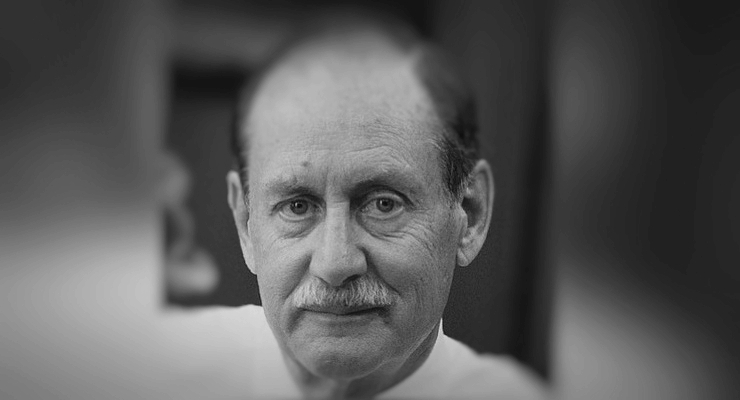
Rick Cole represents District 2 on the City Council. He previously served on the Pasadena Planning Commission, where he successfully advocated for the development of Objective Design Standards for future high-density housing development.
 Get our daily Pasadena newspaper in your email box. Free.
Get all the latest Pasadena news, more than 10 fresh stories daily, 7 days a week at 7 a.m.

