





Pasadena city staff say artificial turf is the most practical choice for replacing the aging playing fields at Villa Parke and Robinson Park. Their argument is familiar: synthetic turf offers more playing hours, requires less routine maintenance and uses less water than natural grass. Those are legitimate considerations. Our children need places to play, and Pasadena has a shortage of athletic fields. Families who depend on Villa Parke for affordable sports programs deserve to be taken seriously. But the city is making a serious mistake if it treats the cost of maintaining a playing field as the same thing as the cost of that field to our community.
Staff have calculated certain expenses. They have not measured the full cost. According to the city’s estimates, maintaining and replacing artificial turf at Villa Parke would cost approximately $2.43 million over 10 years, compared with $1.53 million for natural grass. The artificial turf estimate includes replacement in the 10th year. Staff also estimate that synthetic turf would provide 3,120 prime-time playing hours annually, compared with 2,340 for lighted natural grass.
That is a difference of approximately $900,000 over 10 years in favor of natural grass, based on the city’s estimates. Staff argue that artificial turf’s greater availability and lower routine maintenance make it the better choice. Those are important considerations, but they don’t settle the question. The city has not demonstrated that its comparison fully accounts for the costs of extreme heat, environmental impacts, chemical exposure, plastic disposal and the long-term consequences of replacing living ground cover with synthetic material.
Where is the accounting for days and evenings when artificial turf becomes too hot for safe play? What does it cost to monitor extreme heat, modify activities, shorten practices or cancel games? What will it cost to remove and dispose of the synthetic materials when the fields wear out? How much of the proposed turf can actually be recycled, and where will that happen? And have we adequately evaluated what professionally constructed and properly maintained natural-grass fields could provide? These are not minor details. They are part of the cost of the decision.
Until Pasadena answers these questions, calling artificial turf the most cost-effective solution is premature. More playing hours on paper do not tell the whole story
Staff estimate that artificial turf provides 780 more prime-time playing hours annually than lighted natural grass. That is a significant advantage. But available hours and hours that can safely be used are not necessarily the same thing. Synthetic turf can absorb and retain substantially more heat than natural grass, sometimes reaching temperatures far above the surrounding air. Living grass cools its surroundings through evapotranspiration. Artificial turf does not. Research comparing artificial turf with natural grass has documented substantial differences in surface temperatures during hot weather. That evidence does not mean every synthetic field is unsafe at every temperature, but it does mean that surface conditions deserve serious attention, particularly in a city already confronting extreme heat.
Pasadena’s Public Health Department is developing guidelines for outdoor youth recreation in extreme heat. Proposed measures include monitoring environmental conditions, providing hydration breaks and modifying activities. And the city’s Planning Department is currently developing the city’s Environmental Justice Element as part of its General Plan. Interestingly, both of its artificial turf fields are in a census tract in Northwest Pasadena that California Senate Bill 1000 considers a “Disadvantaged Community”.
I believe the more obvious question is: How many of the additional playing hours counted in the city’s analysis will actually be usable during hot weather?
The city should measure surface temperatures and relevant heat-stress conditions at Villa Parke and Robinson Park during the hottest parts of the day and evening. It should document heat-related restrictions, shortened practices, cancellations and closures. It should also estimate the costs of monitoring, mitigation and lost recreational opportunities. If some of those additional hours cannot safely be used, the city’s comparison should reflect that. We cannot count every available hour as a benefit while leaving the consequences of extreme heat out of the calculation.
Another question that I believe they have not given adequate consideration to is: What about plastic pollution and potential chemical exposure? Artificial turf is not simply a different kind of grass. It is a manufactured product with a life cycle that begins with production and ends with removal, disposal or recycling. Beyond Plastics, an environmental advocacy organization, estimates that an average 80,000-square-foot synthetic athletic field contains approximately 40,000 pounds of synthetic turf carpet, in addition to substantial quantities of infill. The actual amount varies by field design and materials. Over time, synthetic fibers and other materials can wear away and enter the surrounding environment. When a field reaches the end of its useful life, the city must also contend with the removal and destination of the materials.
California’s Department of Toxic Substances Control has investigated chemicals in artificial turf, including PFAS. In February 2026, the department published a technical document addressing artificial turf and PFAS, reflecting continuing attention to product composition and potential exposure. The evidence deserves careful treatment.
Staff propose newer turf systems that proclaim they eliminate PFAS from manufacturing and use natural infill materials. Those may be improvements, if independently verified. But eliminating PFAS from manufacturing does not eliminate the plastic itself, solve the heat problem or answer questions about microplastic release and end-of-life disposal.
Pasadena should require complete product disclosures, independent testing and verification of chemical claims. It should identify the quantities and types of materials proposed for each field, explain how those materials may wear over time, and document where the removed turf and infill will go.
If the city says the new systems are recyclable, it should identify the actual recycling facility, explain which materials can be recovered and provide evidence that the proposed recycling process is available and practical. A product being described as recyclable is not the same as demonstrating that it will be recycled.
We are already struggling with plastic pollution throughout our environment. We cannot keep treating each new plastic product as an isolated decision while ignoring the cumulative burden we leave behind.
Living landscapes matter in a warming city. Pasadena is facing rising temperatures, urban heat islands and the loss of trees and other living landscapes. Against that backdrop, replacing living ground cover with extensive synthetic surfaces deserves a much closer look. Healthy grass cools its surroundings through evapotranspiration. Living soil can absorb and retain water. Natural landscapes can help cool the environment rather than add another heat-retaining surface.
Artificial turf may withstand intensive use better than natural grass, but durability is only one consideration. We should also ask how each option affects the surrounding park and neighborhood. The city should compare the environmental consequences of both surfaces, including heat, water use, drainage, material production, maintenance and disposal. It should explain which impacts can be quantified, which cannot yet be reliably measured and how those differences were weighed in its recommendation. Some environmental benefits may be difficult to assign a precise dollar value. That doesn’t make them any less important.
Have we really given natural grass a fair chance? Staff cite limited maintenance personnel, water requirements and the difficulty of accommodating sports programs during field renovation. These are real challenges. Pasadena operates 22 athletic fields with a three-person sports-field maintenance crew, according to the city’s report. The city cannot simply assume that every field can be converted to natural grass without additional resources or changes to how sports are scheduled. But those operational challenges should inform the decision, not end the discussion.
It is understood that poorly constructed or inadequately maintained grass can become compacted, uneven and unsafe. It takes planning, expertise and resources to maintain athletic fields that withstand heavy use. But don’t our children deserve the safest choice?
The city should therefore compare realistic options, not idealized grass against a synthetic system designed to maximize availability. What would natural grass require in staffing, equipment, irrigation, drainage, soil management and recovery time? What would it cost to maintain it properly? How much would field rotation and scheduled recovery affect the number of hours available?
Pasadena is proposing a two-year natural-grass trial covering approximately 25,000 square feet at Villa Parke. That is a useful step. But the trial should be part of a serious effort to understand what natural grass can deliver, what it costs and how it performs under local conditions.
The city should explain how the trial’s results will inform future decisions and why those results cannot be considered before committing to another generation of synthetic fields. Before approving the replacements, Pasadena should commission an independent, side-by-side evaluation of professionally constructed and maintained natural grass and the proposed artificial turf systems. The evaluation should use consistent assumptions and include realistic staffing and water budgets, drainage, field recovery schedules, usable hours during extreme heat, surface temperatures, environmental impacts, replacement cycles and costs over 20 to 30 years.
It should also examine whether improved scheduling, field rotation, partnerships with other facilities and investments in additional playing spaces could expand access without requiring every heavily used field to be synthetic. We need more playing opportunities for our children. But we should not assume that artificial turf is the only way to provide them.
Before making a long-term commitment, Pasadena should answer seven basic questions:
- What is the full cost? Provide a comparable 20- to 30-year analysis that includes construction, routine maintenance, water, periodic renovation, replacement, removal, disposal and recycling. Clearly identify which expenses are included in the existing estimates and which are not.
- How many hours can safely be used? Document actual heat-related restrictions, shortened practices, cancellations and closures, rather than relying solely on estimated field availability.
- What are the heat conditions? Measure surface temperatures and relevant heat-stress conditions at Villa Parke and Robinson Park during hot weather, and explain what thresholds will trigger restrictions.
- What exactly is being installed? Disclose the proposed products’ chemical composition, provide independent test results and verify claims about PFAS-free manufacturing and other material specifications.
- Where will the plastic go? Report the quantities of carpet and infill to be installed, expected replacement schedules, potential material loss and the actual destination of removed products. Document what can be recycled and at what cost.
- What would properly managed natural grass require? Provide realistic estimates for staffing, equipment, irrigation, drainage, soil care, field rotation and recovery periods, informed by the city’s natural-grass trial.
- What does the public-health evidence establish? Explain which risks have been evaluated, what the findings do and do not show, where research remains limited, and whether additional local monitoring or assessment is warranted.
These are reasonable requests before spending millions of public dollars on a decision that will affect Pasadena’s parks for years to come.
We cannot keep passing the problem to our children. Pasadena staff argue that artificial turf offers greater availability, lower routine maintenance and some water savings. Those benefits deserve consideration. So do the costs of replacing the surface, the consequences of extreme heat, the environmental burden of synthetic materials and the possibility that better field management could improve the performance of natural grass.
The city’s own figures show that natural grass has lower estimated 10-year costs at Villa Parke. Artificial turf offers more estimated playing hours, but the city should establish how many of those hours remain safe and practical during extreme heat. The public also deserves a clear accounting of long-term replacement and disposal costs and an explanation of how environmental concerns were incorporated into the decision.
Pasadena should look at the experiences of other communities that have restricted or reconsidered artificial turf. It should examine their policies and field-management practices, rather than assuming that synthetic surfaces are inevitable.
Our children deserve plentiful, accessible and safe places to play. They also deserve a city that considers the long-term consequences of the decisions adults make on their behalf. We have an opportunity to invest in living landscapes, professional field management and better recreational planning. We should not treat plastic as the default solution simply because it offers more hours of use under a narrow definition of availability.
We are living with a plastic pollution crisis and a climate emergency. We cannot keep passing these problems on to our children and grandchildren. Let’s invest in playing fields that serve our children today without adding to the environmental and public-health challenges they will inherit tomorrow.
Let’s do the right thing.
If you would like to express your opinion about this subject, please attend a meetingy council mtg on Tuesday, October 13 at 6 p.m. or submit a comment:
https://ww2.cityofpasadena.
To read California Dept of Toxic Substances Control about Artificial Turf and PFAS:
https://dtsc.ca.gov/scp/
To read the Fact Sheet about artificial turf from Beyond Plastics:
https://www.beyondplastics.
To read the Environmental Protection Agency report about Heat Islands:
https://www.epa.gov/
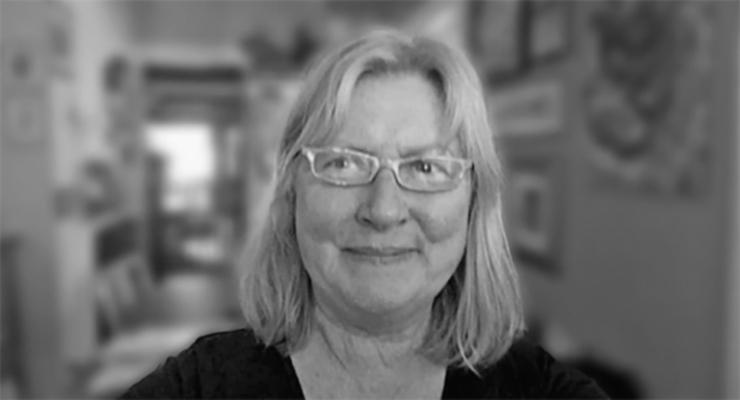
Suzanne York is a member of Pasadena’s Environmental Advisory Commission (EAC) , that formally recommended against this turf expenditure, and a retired Pasadena Unified School District teacher. She is stating her own personal position and not speaking for the Commission
 Get our daily Pasadena newspaper in your email box. Free.
Get all the latest Pasadena news, more than 10 fresh stories daily, 7 days a week at 7 a.m.