




I have been a strong supporter of the Pasadena Fire Department for nearly four decades. In the March 1987 primary, I defeated three-term incumbent and former Mayor Jo Heckman in a decisive upset, winning 60.6 percent of the vote outright. That victory came with the strong backing of Firefighters Union Local 809 under the leadership of John Tennant. During my 12 years in office I fought for four-firefighter engine companies, full funding of the Fire and Police Departments, competitive pay, and retirement at age 55. I also established the Public Safety Committee and served as its first chair.
Our firefighters deserve modern, seismically safe stations and the resources to meet rising emergency calls. Public safety is not optional. That is why I am troubled by the proposed fire parcel tax of 17 to 24 cents per square foot of developed space now under consideration by the City Council.
This is a classic regressive tax. It applies the same rate whether a homeowner earns $200,000 a year or lives on a fixed pension and Social Security. Census data shows roughly 8,000 to 13,000 Pasadena homeowners are age 65 or older. For many of them, an extra $300 to $400 a year is not an abstract number — it is the cost of a month’s groceries or two weeks of prescription co-pays. That is a real and unfair burden, especially if the measure lacks strong senior or low-income exemptions.
In the discussions so far, this fairness issue has not been front and center. It should be. Pasadena has done better before. Both the Library Special Tax and the Pasadena Unified School District’s Measure EE included meaningful protections for seniors and limited-income households. Any new fire tax should meet at least that standard.
I urge the Council not to place this measure on the November ballot. The process has been rushed. Critical documents and poll results were slow to surface, and the public was asked to discuss “needs” long before the full price tag and funding mechanism were made clear. City Hall has not yet shown that every reasonable alternative — efficiency reviews, prioritization of existing resources, and independent scrutiny of spending — has been exhausted. A special tax requiring two-thirds approval should be a last resort, not the first response to long-deferred capital needs.
If the Council nevertheless decides to move forward, then strong, automatic senior and low-income exemptions must be written into the measure from the start — not added later as an afterthought. The cost of protecting our firefighters must not fall hardest on those least able to pay.
Public safety is vital. So is fairness. Pasadena can, and must, do both.
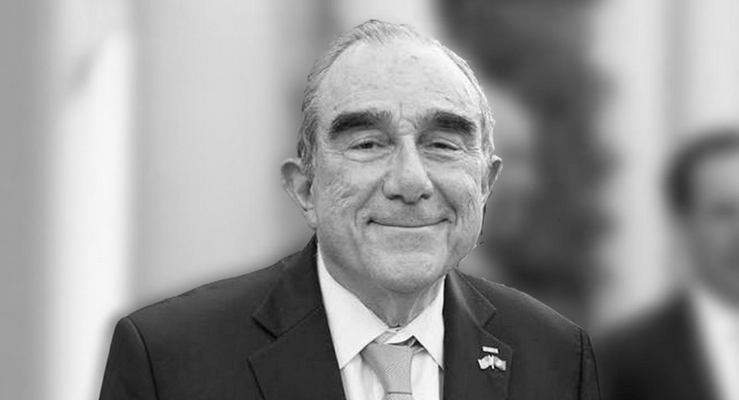
William Paparian is a former Mayor of Pasadena
 Get our daily Pasadena newspaper in your email box. Free.
Get all the latest Pasadena news, more than 10 fresh stories daily, 7 days a week at 7 a.m.