





As dozens of residents rallied at City Hall recently demanding the removal of Pasadena’s Flock cameras, I found myself thinking about the same tension I faced as Mayor: how do you give police the tools they need without eroding the trust those tools are supposed to protect?
These cameras went in starting in 2023. We’ve got more than 60 fixed ones today, and the department wants roughly a dozen more. They’ve produced results you can count. In 2025 they helped recover more than 30 percent of the stolen cars found in the city—27 out of 89—according to data presented to the Public Safety Committee. That’s about $700,000 in property returned to residents. Independent Police Auditor Teresa Magula’s July review went through millions of searches. She found the system used almost entirely for real investigations. About 70 percent of the searches targeted a specific plate already tied to a case. Under current policies and that independent review, there was no evidence of immigration enforcement or a pattern of misuse. Clearance rates rose from around 29 percent in 2023 to over 35 percent last year—better than the national average.
I don’t take those numbers lightly. I’ve seen what unsolved crime does to neighborhoods. A recovered car or a fast lead on a serious case isn’t abstract. It’s the difference between a family getting their vehicle back and writing it off. Detectives have used these cameras on everything from thefts to tougher cases. In a city that hosts the Rose Parade and deals with ordinary street crime, throwing away something that works would be shortsighted.
But I’m not blind to the other side. The cameras photograph every car that rolls past. That creates a searchable record of movements on public streets. The higher concentration in Districts 3 and 5 has people worried about equity. Even if the placement followed crime and traffic data, the visible imbalance still feeds the perception of over-policing in some neighborhoods. Data sharing inside California’s law-enforcement network still carries residual risk, no matter how many switches get flipped. Immigrant families in particular have every reason to stay cautious about any database that could somehow reach federal hands. Those concerns aren’t imaginary. I’ve heard them for years.
So what do we do? Scrap the whole system, or keep expanding it unchecked? Neither. Keep the tool. Tighten the screws.
With the Flock contract coming up for review this fall, the Council and Public Safety Committee should act before any renewal or more cameras go up. Lock in shorter data retention. Enforce stricter local-only sharing rules that go beyond the state minimums. Require regular public reports on what gets searched, what results come out of it, and who asked for access. Re-check the map for better geographic balance. Keep the independent audits and the transparency portal open so anyone can look. And yes, examine whether another vendor might deliver the same investigative edge with tighter local control over the data.
California law already draws some lines. Pasadena can draw them sharper. When I was Mayor I pushed for the Public Safety Committee because I knew professional policing and civilian oversight work better together than apart. That hasn’t changed.
I’ve been around this city long enough to know that good intentions and new gadgets are never enough by themselves. Keep the cameras if they keep delivering results. Just make the rules tighter, the reporting public, and the oversight real. Pasadena doesn’t have to choose between safety and accountability. We can—and should—demand both.
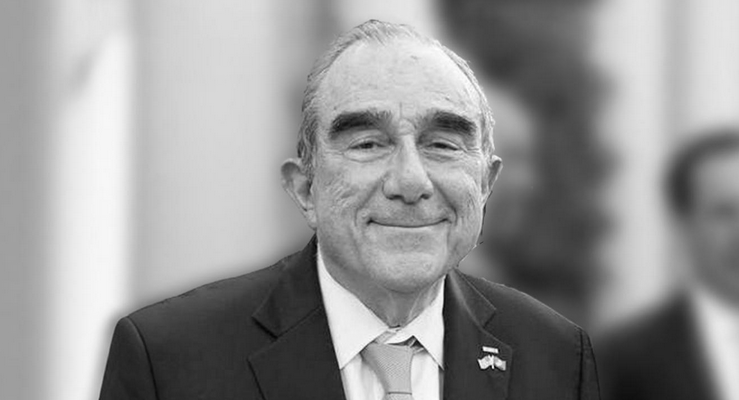
William Paparian is a former Mayor of Pasadena.
 Get our daily Pasadena newspaper in your email box. Free.
Get all the latest Pasadena news, more than 10 fresh stories daily, 7 days a week at 7 a.m.