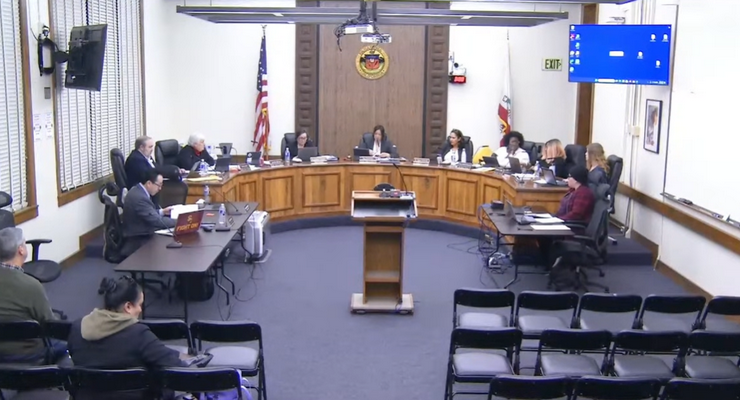











The proposed 9.5% phased electric rate increases for Pasadena Water and Power (PWP) in Fiscal Years 2026 and 2027—potentially taking effect as early as March 2026—are presented by city officials as unavoidable responses to a $67.9 million revenue shortfall, skyrocketing infrastructure costs, and the ambitious goal of 100% carbon-free electricity by 2030.
Yet, this narrative crumbles under scrutiny. The true culprits are chronic wasteful spending, a history of financial mismanagement, and bloated executive salaries that prioritize a top-heavy bureaucracy over the hardworking residents who pay the bills. These internal failures, not just external pressures, are forcing ratepayers to subsidize inefficiency and extravagance. Pasadena deserves better accountability, not another hike.
Pasadena’s utilities have repeatedly demonstrated poor stewardship of public funds, turning what should be efficient operations into costly burdens passed directly to customers. The most glaring example is the approximately $3.5 million embezzlement scandal from the Underground Utility Program discovered in 2014, with convictions and sentencing in January 2019, where a former city employee siphoned funds over years, temporarily derailing efforts to bury power lines. This wasn’t an isolated incident; it exposed systemic weaknesses in oversight, with funds accumulating unused for decades—making theft easier and highlighting how slowly the city spends on promised improvements. The program, funded by surcharges since the 1960s, generates millions annually yet progresses at a glacial pace, potentially taking centuries and billions to complete full undergrounding.
This pattern persists. The question is why rates are rising despite large reserves and falling costs for renewables like solar and batteries. PWP pushes aggressive clean energy timelines without fully exploring cheaper alternatives like competitive bidding, federal grants, or better reserve utilization. Instead, the utility relies on transfers to the city’s general fund, which has ballooned unabated making ratepayers “pay three times over” for infrastructure, green goals, and unrelated city needs.
The Municipal Services Committee has rejected or delayed hikes, acknowledging future ones are “likely” but signaling skepticism about timing and necessity. Personnel and contractor costs rise faster than revenue, even as water usage drops—yet the response is hikes, not trimming overhead. Residents aren’t imagining it: These hikes feel like bailouts for poor planning, where ambitious projects and deferred maintenance become excuses rather than solutions.
At the heart of the fiscal strain is compensation that is wildly out of step with Pasadena’s realities. The General Manager of Water and Power—now David Reyes, appointed effective May 2025—commands a salary range of $285,000 to $356,853 (plus generous benefits), overseeing a $450 million budget and 430 employees. This isn’t modest public service pay; it’s executive-level compensation competitive with private sector roles yet funded by ratepayers.
Other top positions compound the issue: Up to $186,000, and department-wide wages hit $52.7 million in recent years, including significant overtime and other pay. Citywide, hundreds of employees exceed $100,000 annually, with management roles skewing even higher—often 20-30% above national averages for similar positions. Why should residents subsidize six-figure salaries and benefits when basic affordability programs remain limited? Utilities like PWP operate as not-for-profits yet mirror corporate excess in executive perks.
These salaries aren’t frozen amid rate pressures; recent executive adjustments continue the trend. When combined with rising personnel costs, it’s clear: Rate increases help sustain a bloated payroll rather than purely fund infrastructure or clean energy.
The proposed rate hikes are not inevitable—they are the consequence of wasteful spending rooted in historical mismanagement and ongoing inefficiencies, plus bloated salaries that reward executives while burdening families. Pasadena’s residents, already hit by cumulative increases in water, sewer, trash, and now power, face bills that could climb dramatically without meaningful change. Officials tout low regional rates and equity measures, but these ring hollow when reserves sit unused, projects drag on, and leadership pay soars.
It’s time for transparency and reform: Independent audits of spending, caps on executive compensation tied to performance and affordability, reduced general fund transfers, and genuine exploration of cost-saving alternatives. Residents must demand accountability from the City Council and PWP—because sustainability should never come at the expense of fairness. Without addressing these root causes, the proposed increases are not progress; they are perpetuation of a broken system. Pasadena can—and must—do better.
Attorney William Paparian is a former mayor of Pasadena.
 Get our daily Pasadena newspaper in your email box. Free.
Get all the latest Pasadena news, more than 10 fresh stories daily, 7 days a week at 7 a.m.