




Memorial Park in Pasadena has never looked better. The bandshell is sharp, the new benches invite people to sit, there’s a new water fountain, and the grounds feel genuinely cared for. You can walk through and feel proud of what the city has done. Then you reach the Armenian Genocide Memorial, and that pride stops cold.
It’s in rough shape and getting worse. Graffiti covers parts of it. At night it has become a place where people sleep. The water feature—the small drops designed to represent tears for the victims—has been turned off for a long time. Those drops were meant to keep the memory of the victims present every day, not just on April 24. Without them the memorial feels incomplete, almost abandoned.
I negotiated the original agreement with the city that allowed this memorial to be built. The Pasadena Armenian Genocide Memorial Committee accepted full responsibility for its ongoing maintenance and upkeep—in perpetuity. The understanding was clear: this would not be a structure that got cleaned up once a year for the April 24 commemorations so a few politicians could stand in front of it for photographs. It was meant to stand with dignity every day of the year. That promise has not been kept.
My mother, Serpouhi, and her family were survivors of the Genocide. I grew up hearing their stories at the kitchen table, not from textbooks. When I see the memorial in its present condition I feel the insult directly. It is not abstract. It is a public statement that the memory of those who suffered and died is not worth consistent attention.
The contrast inside the same park makes the neglect harder to accept. The Vietnam War Memorial receives steady care from the local chapter of the Vietnam Veterans of America. I am a member and have turned out with other volunteers on early weekend mornings, hose and cleaning materials in hand. We scrub, rinse, and leave the site looking respected. No elaborate fundraising plan is required. What is required is a willingness to show up and do the work. That model already exists a short walk away from the Armenian memorial.
At this point the committee is in clear breach of its agreement with the city. Another entity from the local Armenian community needs to step forward and assume real stewardship. Any established local Armenian organization—or even a small group of committed individuals—could take on the same practical stewardship the Vietnam veterans already provide. The job is not complicated. It means regular cleaning, basic repairs, keeping the water feature operating, and treating the site with the same steady attention the Vietnam memorial already receives. It means rejecting the idea that an annual ceremony is enough. The memorial was never intended to serve as a seasonal photo opportunity for the politically ambitious. It was meant to honor the dead and remind the living.
I left the original committee years ago when it became clear that the project was being pulled toward personal agendas rather than long-term responsibility. I have no interest in revisiting old disputes. What I care about is the condition of the memorial itself. In a park that the city can finally take pride in, this one site has become an embarrassment—an unintended testimonial to indifference from the very community it was built to represent.
No new studies are needed. No complicated campaigns. Just the same practical spirit the Vietnam veterans already live by: show up, get your hands dirty, and keep showing up. If the present committee cannot do the job, another group should step forward. The victims of 1915 deserve a memorial that stands with dignity all year long. So does Pasadena.
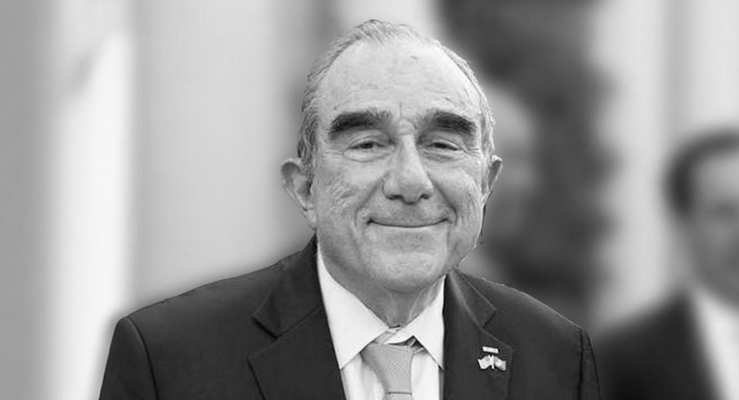
William Paparian is a former Mayor of Pasadena
 Get our daily Pasadena newspaper in your email box. Free.
Get all the latest Pasadena news, more than 10 fresh stories daily, 7 days a week at 7 a.m.