





Nurses and health care professionals at Kaiser Permanente have voted to ratify new contracts with the Pasadena-headquartered health system, the unions representing the workers announced Friday, concluding nearly a year of negotiations that included three strikes.
The agreements between the United Nurses Associations of California/Union of Health Care Professionals and Kaiser Permanente take effect immediately and expire September 30, 2029, covering 31,000 Kaiser health care workers across California and Hawaii. The contracts include 21.5% across-the-board wage increases — which the union called the largest in its history — along with what UNAC/UHCP described as strengthened staffing protections and patient care standards.
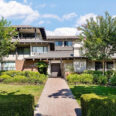
Kaiser Permanente’s Southern California regional administrative offices are located on Walnut Street in Pasadena. The company also operates medical offices on East Foothill Boulevard in the city.
“This agreement reflects everything our members stood up and stood together for: safe staffing, improved access, and respect for the professionals who provide critical care every day,” said Charmaine Morales, a registered nurse and UNAC/UHCP president, in a statement released by the union. “This fight was always about our patients and the public good, and we’ve made meaningful progress to ensure caregivers have the time and resources necessary to deliver safe, high-quality care.”
The ratification was approved by what the union described as an overwhelming majority of its members. For the first time in more than 20 years, all UNAC/UHCP contracts ratified share the same expiration date, the union said.
Kaiser Permanente had not issued a standalone public statement on the ratification as of Saturday. In statements issued during the bargaining period, the company described the 21.5% wage increase as “the strongest compensation package in our national bargaining history” and said the package would keep its Alliance employees “among the best-paid in health care” while supporting the recruitment and retention needed for quality care.
Kaiser said its employees already earn, on average, about 16% more than workers in similar roles at other health care organizations, and in some markets 24% more. The company said total pay increases, including step increases, amount to roughly 30% over the contract term, not including proposed benefits enhancements, according to a Kaiser statement released in February.
The health system has said it has a responsibility to balance fair, competitive pay for employees with the protection of access and affordability for its members. Kaiser characterized the open-ended strike that preceded the ratification as “unnecessary, disruptive to our members and patients, and counterproductive to reaching agreement,” according to statements the company released in January and February.
When the strike ended in late February, Kaiser said UNAC/UHCP had “accepted our offer of 21.5% across-the-board wage increases and called off its open-ended strike.” The company said the settlement would allow a return to the focus on “delivering exceptional care” now that employees were returning to normal schedules.
The ratification follows a year that included multiple work stoppages. Contract negotiations began in March, and the existing contracts expired September 30.
UNAC/UHCP members held a one-day strike in Northern California in September, followed by a five-day strike in October involving 31,000 workers at more than 500 Kaiser facilities.
After Kaiser paused national bargaining on December 14 — citing what the company called a concerning incident involving a union leader — UNAC/UHCP filed an unfair labor practice charge with the National Labor Relations Board on December 17, alleging Kaiser had attempted to bypass the agreed-upon bargaining process.
On January 26, 31,000 UNAC/UHCP members walked off the job in an open-ended unfair labor practice strike. The union has described the walkout as the largest open-ended strike of nurses and health care professionals in U.S. history. The strike ended February 24, after approximately four weeks.
During the strike, workers picketed at Kaiser facilities across the region. Both the Walnut Street headquarters and the Foothill Boulevard medical offices in Pasadena were expected to be impacted, and past strikes included large gatherings at the regional headquarters. Approximately 27,000 of the striking workers were employed in Southern California.
Among the contract provisions cited by the union: Southern California registered nurses won an end to what the union called “paper staffing,” in which charge nurses and break relief nurses were counted toward nurse-to-patient ratios. The union said the contracts also include language ensuring adequate around-the-clock patient care and a process for addressing contract violations and bringing in help from other units when staffing falls short.
UNAC/UHCP represents more than 40,000 registered nurses and health care professionals in California and Hawaii, including pharmacists, nurse anesthetists, nurse practitioners, midwives, physician assistants, rehab therapists, speech language pathologists, and dietitians. The union is part of the Alliance of Health Care Unions, a coalition that bargains on behalf of workers at Kaiser facilities.
 Get our daily Pasadena newspaper in your email box. Free.
Get all the latest Pasadena news, more than 10 fresh stories daily, 7 days a week at 7 a.m.