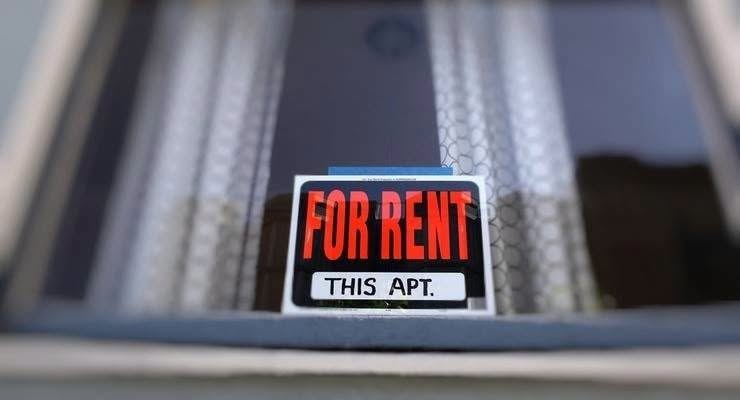




The California Apartment Association filed a brief this week urging the California Supreme Court to leave intact a December appellate ruling that struck down Pasadena’s requirement that landlords pay relocation assistance when tenants move out after rent increases on units exempt from local rent control.
The filing marks the latest phase of a legal battle over Pasadena’s Measure H that now carries statewide implications. Pasadena, tenant advocacy groups, the City of Los Angeles, and the Santa Monica Rent Control Board have each asked the Supreme Court to either reverse the ruling or strip it of its value as binding precedent through a process called depublication, according to the association’s statement.
The Court of Appeal ruled in December that the rent-triggered relocation mandate in Measure H conflicts with the Costa-Hawkins Rental Housing Act, the state law that exempts certain units from local rent control. The court held that requiring landlords to pay relocation assistance when tenants depart after a lawful rent increase on exempt units is preempted by state law, according to the ruling as reported by Pasadena Now in December.
In its brief — formally an answer to the petition for review — the association said the appellate court correctly applied existing law and that there is no disagreement among lower courts that would justify Supreme Court intervention, according to a statement issued Wednesday by Whitney Prout, the association’s executive vice president of legal affairs.
If the Supreme Court declines to hear the case, the appellate ruling would stand. But the cities and tenant groups have asked the court to depublish the portion of the opinion addressing rent-triggered relocation assistance. Depublication would not change the outcome for Pasadena but would prevent other courts from citing the ruling as precedent, effectively limiting its reach to a single case.
The association said it will oppose the depublication requests. Prout’s statement described the appellate decision as providing “important clarity on the limits state law places on local overreach,” language the association has used in characterizing the ruling.
When Pasadena and the City of Los Angeles filed briefs in the case, their attorneys argued that the relocation assistance policy falls within cities’ authority under Costa-Hawkins to regulate the basis for eviction and to mitigate the displacement caused by large rent increases, according to prior filings reported by Pasadena Now.
Tenant groups that intervened in the case have argued that steep rent increases on exempt units amount to “constructive evictions” and that relocation payments help displaced residents secure new housing in a high-cost market, according to their filings.
The association’s statement noted that rent-triggered relocation requirements have spread to other California cities since Pasadena adopted the concept. The City of Los Angeles is currently defending its own rent-increase-triggered relocation mandate in a separate appeal, the statement said.
That case — Apartment Association of Greater Los Angeles v. City of Los Angeles — was argued before the same appellate division that decided the Pasadena case on Feb. 5, according to the association, meaning a ruling applying the Pasadena precedent could come at any time if the opinion remains published.
The December ruling also struck down a Measure H provision requiring landlords to issue a preliminary “notice to cease” before serving a standard eviction notice, finding that it conflicted with state eviction procedures. The court upheld other major portions of Measure H, including its rent caps, just-cause eviction protections, and the structure of the Rental Housing Board, which reserves seven of 11 seats for tenants.
Pasadena voters approved Measure H in November 2022 with 52.8% of the vote. The California Apartment Association and five local landlords filed suit shortly after, and a Superior Court judge upheld the law in March 2023. The Court of Appeal’s December ruling was the first appellate review of the measure.
The Supreme Court has not announced a timeline for acting on the petition for review or the depublication requests.
 Get our daily Pasadena newspaper in your email box. Free.
Get all the latest Pasadena news, more than 10 fresh stories daily, 7 days a week at 7 a.m.