









Pasadena Water and Power has begun building a 25-megawatt battery storage system at the Glenarm Power Plant, and state and city officials marked the project at an Oct. 7 kickoff event, the city said.
The four-hour lithium iron phosphate system is designed to store excess daytime solar power and release it during evening peak hours, part of the city’s goal of drawing 100% of its electricity from carbon-free sources by the end of 2030. Construction began in September, and the utility expects the project to be completed in the summer of 2027.
Speakers at the kickoff included state Sen. Sasha Renée Pérez, Assemblymember John Harabedian, Mayor Victor Gordo, Councilmember Jason Lyon, Interim City Manager Matthew E. Hawkesworth and Pasadena Water and Power General Manager David Reyes, according to the city.
“The Glenarm BESS is a significant step forward in our commitment to delivering clean, reliable energy to our customers,” Reyes said in a city news release. He said the utility is using new technologies “to strengthen and expand the solar investments already serving our community.”
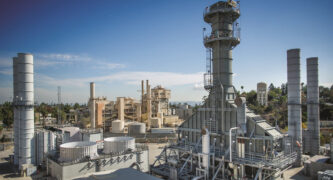
The system will sit on a roughly 0.59-acre site within the utility’s existing power plant at 72 E. Glenarm St. The city calls it Pasadena’s first utility-scale battery system. The utility says the battery will also support electric reliability during extreme events and help restore power after a complete shutdown.
The City Council approved a 15-year energy storage contract in June 2024 with Glenarm BESS LLC, a special purpose entity created by EPC Energy Inc. of San Jose. The contract carries a service rate of $12.18 per kilowatt-month and a total price not to exceed $55,310,000, according to a city staff report.
Under the agreement, the company would supply the design and own and operate the battery on the city’s behalf, the report said. Construction would be handled under a separate contract awarded by the city.
The city has the option to buy the facility for an estimated $47,131,181 when it enters service, or for lower prices later. If the city does not buy it by the end of the 15-year term, the company must remove the battery and pay the removal costs, according to the report.
Staff estimated the contract’s annual cost at $3,654,000 from fiscal years 2027 through 2042. They put the impact on the electric system’s average rate at less than half a cent.
The project is backed by up to $9.66 million from the California Energy Commission’s Distributed Electricity Backup Assets program. The commission’s funding agreement covers the purchase, installation and performance reporting of the system.
The city adopted a mitigated negative declaration for the project under state environmental law on March 19, 2025, and approved its construction and operation under Conditional Use Permit No. 7227. In February, the utility held a public meeting to gather comments on the project’s landscaping and visual screening.
The utility’s 2023 Integrated Resource Plan calls for special emphasis on resources, including energy storage, located electrically within city limits, the staff report said. The utility’s 108-megawatt interest in the Intermountain Power Project is set to end in June 2027.
Former Mayor Bill Paparian asked the council in a June 21 letter to order more environmental and fiscal analysis before awarding the construction contract. “While I support Pasadena’s 100% carbon-free electricity target by 2030, the current Mitigated Negative Declaration (MND) leaves important gaps,” he wrote. He said the facility is about 455 feet from Blair High School and Middle School and cited fire and toxic-emission risks.
Construction is scheduled weekdays from 7 a.m. to 5 p.m., and the utility said it will try to limit disruption to traffic and to nearby homes and businesses.
 Get our daily Pasadena newspaper in your email box. Free.
Get all the latest Pasadena news, more than 10 fresh stories daily, 7 days a week at 7 a.m.