





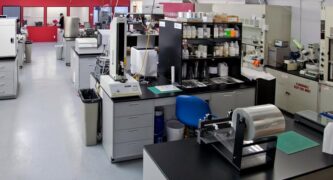

The incubator supports early-stage life science companies by providing affordable lab space, shared resources, interns and training. The gift ensures long-term stability for its programs and opens the door to future expansion, modernization and deeper community impact, the incubator said in a press release.
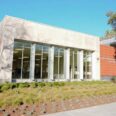
The building, at 2265 E. Foothill Blvd., covers nearly 20,000 square feet, the incubator said. It said the family made the gift in honor of La Kretz.
“This gift is nothing short of transformational,” said Eric Duyshart, the incubator’s president.
“Owning our building allows us to expand lab capacity for science-driven start-ups, upgrade critical equipment, and strengthen our workforce development programs so more students and job-seekers can gain the skills needed to thrive,” Duyshart said.
La Kretz, a real estate developer who founded Crossroads Management, died Jan. 31 at his home in Los Angeles. He was 100. La Kretz was a major funder of the Los Angeles Cleantech Incubator’s downtown headquarters. The Pasadena incubator said the donation follows the model of the La Kretz Innovation Campus in downtown Los Angeles, which focuses on cleantech incubation and workforce training. The Los Angeles Cleantech Incubator, a nonprofit, manages that campus.
The Pasadena incubator said it has supported more than 100 startups from local institutions such as Caltech, City of Hope, the University of Southern California and the University of California, Los Angeles. When VelvEtch became its 100th company in April, Pasadena Economic Development Director David Klug said, “Pasadena’s life sciences sector continues to be a cornerstone of the city’s innovation economy.”
Companies rent lab space month to month rather than signing multiyear commercial leases. The incubator takes no equity or royalties, and entrepreneurs keep 100% of their intellectual property. Stays typically run from six months to six years, Duyshart said in April. The less startups spend on their facility, he said, “it provides them the opportunity to spend a bit more on staffing and/or equipment.”
The incubator describes itself as Southern California’s longest-running wet-lab incubator. It opened in 2004 as a 500-square-foot operation. By 2020, it had expanded to more than 12,600 square feet. The incubator said it has trained thousands of students for careers in biotechnology, material science and related fields. Its programs include internships and Amgen Biotech Experience training.
The incubator said the arrangement will bolster the region’s innovation ecosystem through partnerships with local schools, universities and industry. It said it has launched a fundraising initiative to complement the gift by supporting laboratory upgrades and expanding internships for students and early-career professionals.
 Get our daily Pasadena newspaper in your email box. Free.
Get all the latest Pasadena news, more than 10 fresh stories daily, 7 days a week at 7 a.m.