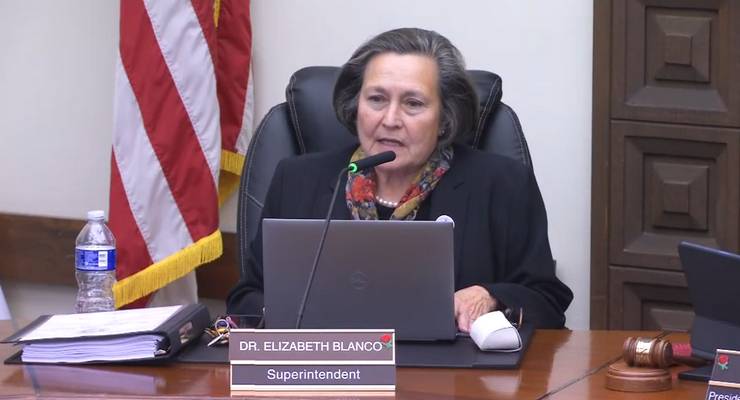







City officials on Monday told the Municipal Services Committee on Jan. 13 that long-term reductions in groundwater pumping and expanded recharge efforts have helped stabilize the Raymond Basin, but warned that climate change, wildfire risk and uncertainty in imported water supplies make strengthening the local aquifer increasingly urgent.
“This is informational,” PWP General Manager David Reyes said as the committee took up its second agenda item, “but I wanted this committee to understand that we are continuing to work, sort of explore all avenues to ensure that the health of our basin remains and improves.”
Engineering Manager Gary Takara outlined decades of groundwater decline and the basin’s more recent stabilization, noting that groundwater levels had dropped more than 300 feet over much of the last century before pumpers began coordinated reductions in 2009.
“Since 2009 to 2025, that 16 years had netted more than 75,000 acre feet in cumulative groundwater savings,” Takara said.
Takara said those reductions, combined with spreading and stormwater capture projects, have helped slow the basin’s decline.
“Over the last 10 years, Pasadena spreading operations in the Arroyo and Eaton resulted in more than 27,000 acre feet in capture and recharge to the aquifer,” he said, adding that regional partners had recharged an additional 28,000 acre feet.
Officials stressed that the basin’s future role is growing as climate volatility strains imported water systems.
“We need to realize that we are in the era of climate extremes and weather whiplash,” Takara said. “We can go through periods of prolonged dry conditions or drought, and that could impact imported water supplies.”
Councilmember Justin Jones, who chairs the committee, said the discussion underscored the basin’s role in Pasadena’s long-term water planning.
“If we’re cut off from Metropolitan Water District, we’re going to have to rely on the Raymond Basin,” Jones said. “We do need to replenish the basin to a healthy, sustainable level.”
Councilmember Rick Cole framed the basin as the city’s primary water reserve.
“This is our biggest place to store water for future use,” Cole said.
Reyes told the committee that city staff is also exploring potential state legislation to support basin health.
“We are working on potential legislation,” Reyes said. “We would try to partner…to see if there’s something additional that we might be able to do in a proactive nature to help improve the health of our groundwater and the basin.”
“If you’re going to make any significant progress in the basin, you have to find a way around that,” he said.
Jones said he supports holding a future workshop focused on the Raymond Basin.
“Whatever this body can do to either advocate or invest in replenishing the Raymond Basin, I’m all on board for it,” he said.
 Get our daily Pasadena newspaper in your email box. Free.
Get all the latest Pasadena news, more than 10 fresh stories daily, 7 days a week at 7 a.m.