










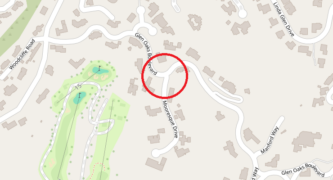
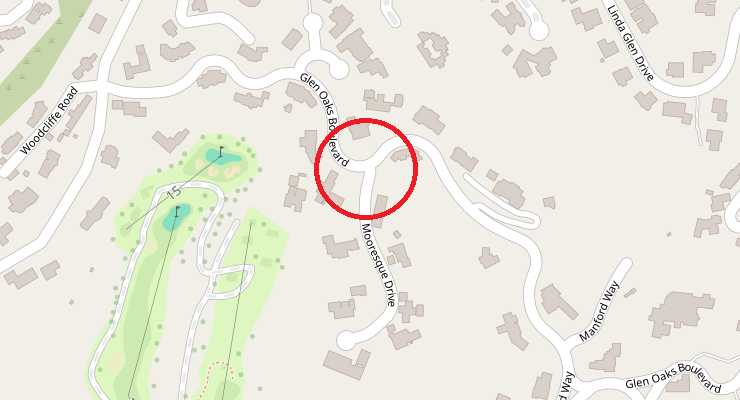
Pasadena Fire units, in coordination with Pasadena police, responded to a reported traffic collision involving a pedestrian at Glen Oaks Boulevard and Mooresque Drive at 12:37 a.m. Saturday.
Arriving firefighters and paramedics assessed the patient and requested authorization to perform the field transfusion. Whole blood was approved and a battalion chief responded with the blood per protocol, Derderian said.
Blood was administered at 12:53 a.m., 16 minutes after the initial dispatch.
The patient was rushed to a local hospital and underwent emergency surgery to repair the injuries.
The patient was listed in critical condition, Derderian said Saturday morning.
The program
Pasadena announced Aug. 20 that its firefighter-paramedics would carry whole blood in two battalion chief vehicles, letting transfusions start in the field rather than at a hospital. The City Council authorized the blood contract Aug. 17.
The department joined LA-DROP, a prehospital transfusion program the Los Angeles County Fire Department launched April 1, 2025, with Huntington Health and Houchin Community Blood Bank, the regional blood provider.
The department vehicles carry low-titer O-positive whole blood in temperature-monitored coolers, given through a rapid infusion system, according to Huntington Health. Besides trauma patients, it is meant for severe hemorrhage cases, including postpartum hemorrhage.
Fire Chief Chad Augustin told the council Aug. 17 that the program would close the gap between injury and transfusion.
“On average, it’s about 35 minutes from time of injury until arrival to hospital and blood administration,” he said. “We’re going to cut that down to about 16 minutes.”
The city pays $675 per unit under the contract, against a non-contract price of $820, plus a $65 handling charge per order, according to a Fire Department staff report. The program is estimated at about $100,000 a year, funded through the department’s emergency medical services budget. Blood the crews don’t use is transferred to Huntington Health.
Patients may decline blood products for personal, religious or medical reasons, according to a Huntington Health statement, which said the department and its partners follow established consent protocols, including advance directives.
 Get our daily Pasadena newspaper in your email box. Free.
Get all the latest Pasadena news, more than 10 fresh stories daily, 7 days a week at 7 a.m.


