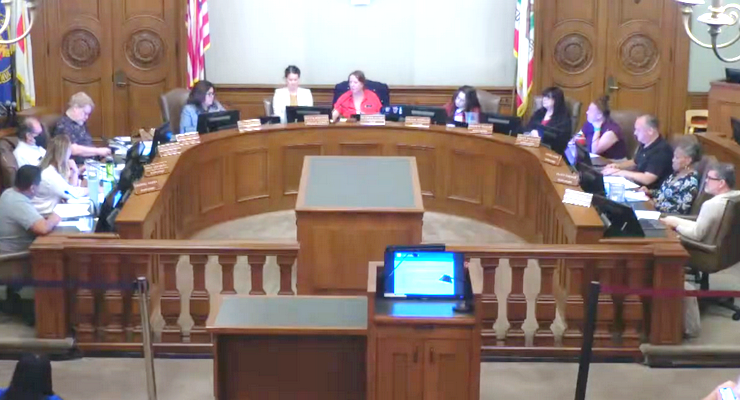











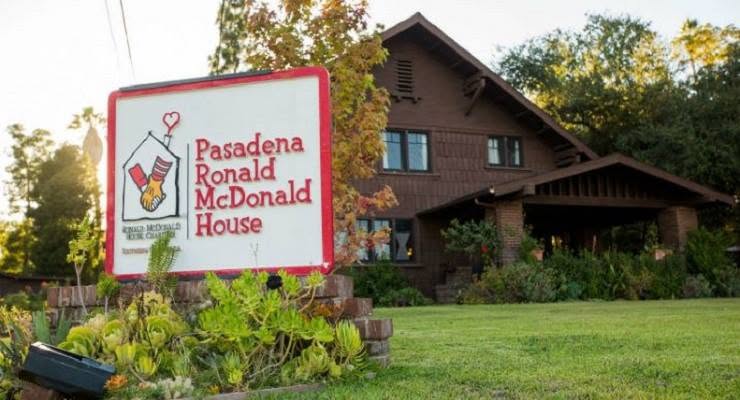
The Pasadena Planning Commission recommended approval of renovations and site improvements at Pasadena Ronald McDonald House, advancing a proposal intended to improve accessibility and safety for families of hospitalized children despite concerns about fencing and changes to the historic neighborhood.
The commission voted 5-1 to recommend the main approval package to the City Council, with Commissioner Philip Burns opposed. A separate vote supporting a 6-foot fence along St. John Avenue passed 4-2, with commissioners Carol Hunt Hernandez and Burns dissenting.
The project would continue serving up to 17 families without increasing staffing.
“We’re pleased to see the historic properties continuing to serve a meaningful purpose,” said Bridget Lawler, executive director of Pasadena Heritage. “We also appreciate the thoughtful approach to balancing the operational needs of the organization with the preservation of the historic resources.”
The proposal covers approximately 1.68 acres between South Pasadena and South St. John avenues. It includes renovations to the two existing hospitality homes at 763 and 765 S. Pasadena Ave., an elevator addition to one home and accessibility improvements.
An approximately 600-square-foot storage building would be replaced with a roughly 1,200-square-foot building housing offices, laundry facilities and storage. Plans also call for upgraded landscaping, a circular driveway along Pasadena Avenue and a 25-space parking lot accessible from St. John Avenue.
Supporters said the changes would address difficulties moving children with mobility limitations through the existing buildings and reduce conflicts between vehicles and children playing on the grounds.
The circular driveway would provide passenger loading and emergency access while allowing the organization to remove vehicle traffic from the space between the homes.
That driveway prompted questions about pedestrian safety, additional curb cuts and the amount of paving in front of the historic buildings. The applicant requested permission to pave 54% of the front-yard area along Pasadena Avenue, exceeding the zoning code’s 30% limit.
Project representatives said the driveway was widened during consultation with the Fire Department to accommodate emergency vehicles.
Commissioners also debated whether a 6-foot fence along St. John Avenue was necessary for security and privacy or would obscure historic buildings and diminish the neighborhood’s residential character. The zoning code generally limits front-yard fencing to 4 feet.
Burns supported extending the hospitality use across the property but questioned both the fence height and additional paving. Other commissioners stressed the privacy and security needs of families staying at the facility.
Pasadena Heritage requested coordination between the project approvals and preservation easements being developed for the three historic homes. Lawler said those easements would protect exterior and interior features, including original woodwork, fireplaces and pocket doors.
The commission’s recommendation included additional conditions and clarifications addressing review of fencing and gate materials by the city’s design and historic preservation staff.
The proposal also would extend the hospitality home zoning overlay to two additional parcels and bring an existing administrative office at 762 S. St. John Ave. into the permitted operation. City staff said the office had been used for approximately six years without the required permit.
One protected Chinese elm would be removed to accommodate the St. John Avenue driveway, with replacement trees required.
The recommendations, including a finding that the project qualifies for exemptions from environmental review, now go to the City Council.
 Get our daily Pasadena newspaper in your email box. Free.
Get all the latest Pasadena news, more than 10 fresh stories daily, 7 days a week at 7 a.m.