






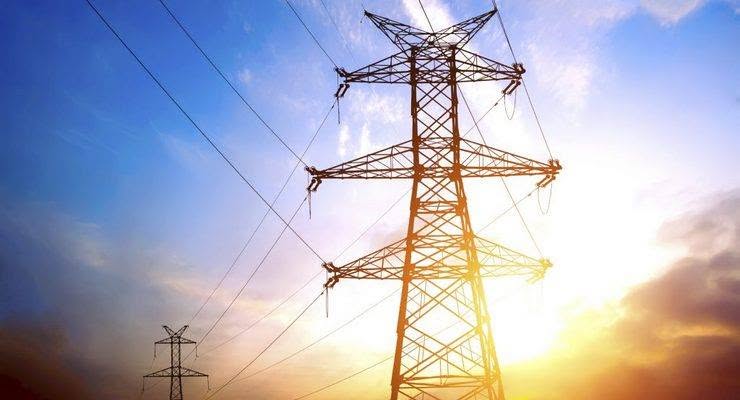
Pasadena City Council is scheduled Tuesday, Oct. 20, to consider a proposed electricity reliability program for Pasadena Water and Power that would establish formal resource-adequacy metrics and planning reserve margin requirements for the city-owned utility.
The Resource Adequacy Program, listed as Item 1 on the council’s consent calendar, is intended to ensure Pasadena maintains sufficient qualifying electricity capacity to meet expected demand and support grid reliability.
A central measure is the planning reserve margin, which represents electricity capacity maintained above forecast peak demand to account for unexpected increases in consumption or interruptions in available power supplies.
Pasadena Water and Power’s 2023 Integrated Resource Plan, approved by the City Council in December 2023, already identifies a resource-adequacy reserve margin of at least 15% as a reliability objective.
Under that benchmark, a forecast peak demand of 100 megawatts would require at least 115 megawatts of qualifying capacity. The margin does not mean Pasadena must generate 15% more electricity continuously. It concerns the capacity of available resources to meet demand when needed.
The utility’s 2023 plan states that its resource-adequacy obligations can be met through a combination of electricity resources owned by Pasadena and resources secured under contracts.
Those obligations encompass three categories: system capacity to meet overall electricity demand, local capacity to address transmission constraints and flexible capacity capable of responding to changes in electricity demand and supply.
The distinction is particularly important as the utility increases its reliance on renewable energy.
Pasadena Water and Power’s resource plan explains that a generating facility’s installed capacity does not necessarily equal its contribution to grid reliability. Solar generation can vary with weather conditions, while other resources may face fuel or transmission limitations.
The 2023 plan also modeled reserve margins higher than 15% for later years, including a 17.5% assumption after 2025. The proposed October program would formalize resource-adequacy planning rather than introduce the city’s first electricity reserve objective.
Because Pasadena Water and Power is publicly owned, the City Council exercises local regulatory authority over certain resource-adequacy requirements. The utility must also satisfy applicable California Independent System Operator requirements governing system, local and flexible capacity.
The reliability proposal comes as Pasadena pursues its separate policy goal of sourcing 100% of its electricity from carbon-free resources by the end of 2030, a target established by City Council Resolution 9977 and incorporated into the utility’s 2023 Integrated Resource Plan.
City staff recommend that the council approve the Resource Adequacy Program and determine that the action is not a project subject to the California Environmental Quality Act.
The recommendations do not request authorization for construction of a new power plant or an electricity rate increase.
The proposal remains subject to council approval.
The City Council’s public meeting is scheduled for 6 p.m. Tuesday, Oct. 20, in the Council Chamber, Room S249, at Pasadena City Hall, 100 N. Garfield Ave. The item is on the consent calendar, which is ordinarily approved through one motion unless an item is removed for separate consideration.
 Get our daily Pasadena newspaper in your email box. Free.
Get all the latest Pasadena news, more than 10 fresh stories daily, 7 days a week at 7 a.m.