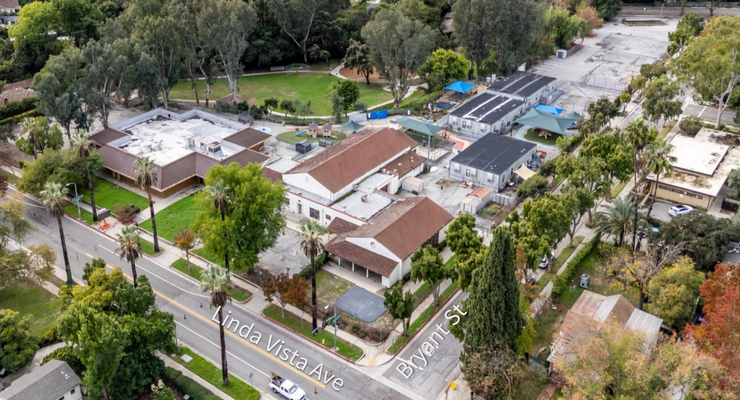







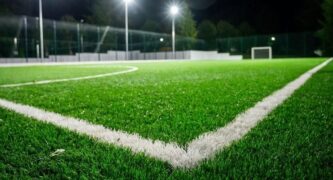

Parents, youth soccer coaches and environmental advocates sharply disagreed Tuesday over whether the city should replace aging athletic fields at Villa Parke and Robinson Park with a new generation of artificial turf, as city officials argued the synthetic surfaces are necessary to meet growing demand for recreational space.
The Municipal Services Committee heard nearly an hour of public testimony on a proposal to replace existing artificial turf fields with upgraded systems that would use recyclable materials, PFAS-free manufacturing processes and organic infill made from sand, coconut fibers, walnut shells and cork. City staff recommended retaining artificial turf, saying natural grass fields cannot sustain the level of year-round use required by Pasadena’s youth and adult sports programs.
“We are here to recommend that the city council replace the existing artificial turf field at both facilities with enhanced artificial turf systems,” Parks, Recreation and Community Services Director Koko Panossian told the committee. He said the fields were originally installed to increase playability, reduce downtime and address problems that existed before the parks became heavily programmed athletic facilities.
According to Panossian, Villa Parke and Robinson Park served more than 6,700 participants and roughly 650 teams in 2025. He warned that converting the facilities back to natural grass would require periodic closures for maintenance and renovations, reducing field availability and potentially eliminating some programs. Staff estimates the city already turns away 20 to 25 user groups annually because of limited field capacity.
Supporters of the proposal said the fields provide critical recreational opportunities in neighborhoods where families often lack access to private sports facilities.
Daniel Robinson, a Villa Park soccer coach, told committee members that artificial turf is the only practical option for maintaining year-round access for working-class families.
“Villa Park is a gem that serves a working-class community,” Robinson said. “The only way to do that is year-round is with a turf pitch.”
Several parents echoed that sentiment, arguing that field closures would leave children with fewer recreational opportunities and could reverse gains made in keeping parks active and safe.
Opponents urged the city to reject artificial turf entirely, citing concerns about heat, environmental impacts, wildfire risks and potential health effects from chemicals used in synthetic surfaces.
Environmental Advisory Commission Chair Lauren Siegel said the proposal failed to adequately address heat impacts in one of Pasadena’s designated disadvantaged communities.
“We are choosing if we put an artificial turf to make an urban heat island effect,” Siegel said, noting that Pasadena is currently studying heat-related impacts as part of its environmental justice planning efforts.
Youth soccer players also spoke against the proposal. Clara Carmichael, a Pasadena student who practices regularly at Villa Parke, said artificial turf can become dangerously hot during games.
“The sun warms the plastic grass to shockingly high temperatures,” Carmichael said. “Playing in these high temperatures makes me feel tired, thirsty and frankly, like I’m inside of an oven.”
Committee member Tyron Hampton said he remains concerned about health issues associated with per- and polyfluoroalkyl substances (PFAS) and other chemicals used in some synthetic turf products but also acknowledged the importance of keeping young people active.
“If we’re going to go with a turf field, we need to make sure that we have all the specifications of what is in that turf,” Hampton said. He also called for a heat-mitigation plan and additional public education regarding potential health concerns.
City staff said a survey of 123 field users found that nearly 70% of Villa Park Youth Soccer League participants preferred artificial turf, while about 65% of other sports organizations also favored synthetic surfaces. Staff also pointed to reduced water consumption and greater field availability as advantages of artificial turf.
The committee did not make a final decision Tuesday. The discussion is expected to continue as city officials evaluate field specifications, health concerns and potential heat-mitigation measures before forwarding a recommendation to the City Council.
 Get our daily Pasadena newspaper in your email box. Free.
Get all the latest Pasadena news, more than 10 fresh stories daily, 7 days a week at 7 a.m.