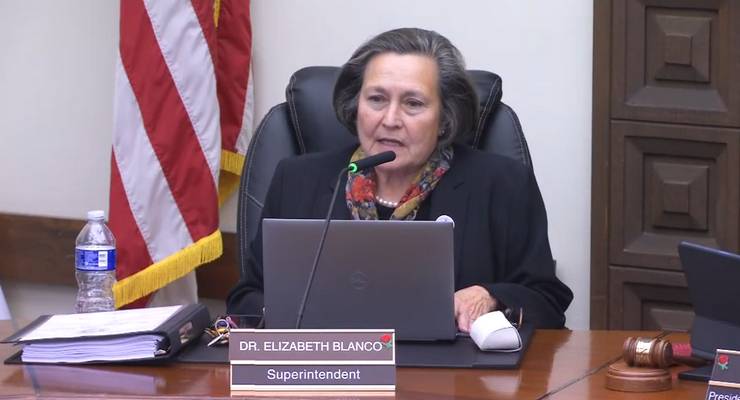




Pasadena residents raised concerns about privacy, data transparency and equity Wednesday as the City’s Public Safety Committee reviewed the Pasadena Police Department’s use of automated license plate reader cameras, known as Flock.
More than a dozen speakers addressed the committee, with comments largely critical of the technology and focused on how data is collected, accessed and distributed.
Flock Safety, the company that provides the cameras, has contracts with thousands of law enforcement agencies nationwide, including more than 5,000 police departments and thousands of cities and private entities. The company operates a broad network of cameras, allowing participating agencies to share data across jurisdictions.
The cameras capture images of vehicles in public spaces, recording license plates and details such as make, model and color. The system can generate real-time alerts for stolen or wanted vehicles and stores data that investigators can later search to help track a vehicle’s movements.
Ethan Harris, a Pasadena resident, questioned whether the City has met its own transparency requirements, pointing to gaps in publicly available information about the program.
“In the policy, it says that the name and title of the current designee in overseeing the ALPR program … should be listed publicly and easily accessible on the website,” Harris said. “There’s no name attached to that, nor is there a list of other titles who have access to this information.”
Jennifer Collins, who said she also submitted written comments, urged City officials to consider actions taken by other jurisdictions that have ended their use of similar systems.
“I’d like to talk about other U.S. cities that have very recently stopped using Flock cameras due to privacy, legal and governance concerns,” Collins said, citing multiple cities across California and the country that have canceled contracts.
They have all determined the risks outweigh the benefits.
Dozens of cities nationwide have canceled, paused or declined to renew Flock contracts in recent years, including Flagstaff, Arizona; Denver, Colorado; Cambridge, Massachusetts; and Santa Cruz, California. Officials in those cities cited concerns over data privacy, sharing practices and public trust, with some pointing to reports of outside agency access and questions about whether the systems meaningfully reduce crime.
Other residents raised concerns about how cameras are distributed across Pasadena and whether their placement disproportionately affects certain communities.
“Out of 61 cameras, District 3 has 23 … while Districts 4 and 7 have none,” said Daniella Nabin, a resident of District 3. “Concentrating cameras in District 3 and District 5 reinforces patterns of overpolicing rather than protecting all residents. Why are these cameras placed in historically working class communities that are immigrant communities that have been heavily targeted by ICE.”
Some speakers also expressed broader distrust of the technology and the company behind it.
“Unless you store your own data locally, you can have the most airtight local policies and audits and internal reviews, but ultimately what happens to that data and who has access to it is not in your control,” said Sarah Nordstrom. “I don’t know who’s to credit with the saying that I’ll paraphrase, but the cloud is just someone else’s computer.”
The Public Safety Committee did not take action on the item and is expected to continue the discussion at a future meeting.
 Get our daily Pasadena newspaper in your email box. Free.
Get all the latest Pasadena news, more than 10 fresh stories daily, 7 days a week at 7 a.m.