








Senate Bill 1013 by Sen. Sabrina Cervantes, D-Riverside, passed the Senate in May but was stopped by Assembly Majority Leader Cecilia Aguiar-Curry on the final day of the session before it could reach the floor, CalMatters reported — the fifth straight year the Legislature has failed to regulate the technology.
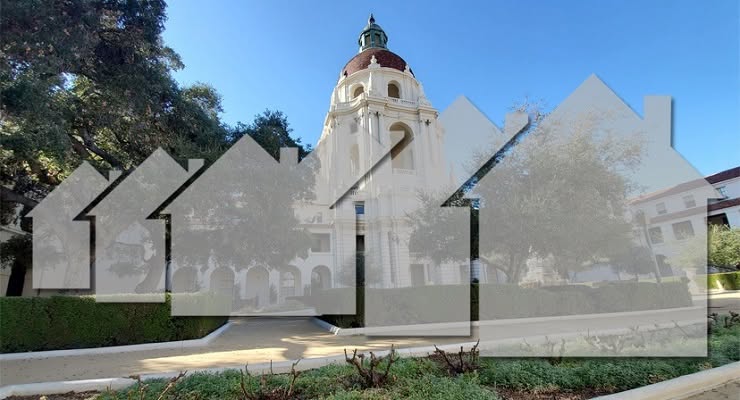
In Pasadena, where a City Council committee is divided over whether to keep the cameras at all, the outcome leaves the question to the city.
The bill would have limited police use of plate-reader data to locating criminal suspects or missing people, required privacy and cybersecurity training, restricted sharing with national databases by default and required the attorney general’s office to audit plate-reader activity at random.
A similar Cervantes bill passed in 2025 but was vetoed by Gov. Gavin Newsom, in part over a requirement that police delete data after 60 days.
“It’s unfortunate that Senate Bill 1013 did not get the chance to be voted on before the deadline passed, but I look forward to continuing to fight for the privacy rights of Californians next year,” Cervantes said in a statement. More than 230 California police and sheriff’s departments use the readers, according to Cervantes.
Nearly 40 law enforcement agencies and police unions opposed the bill.
“We were concerned that this bill was going to limit the utility of ALPR data to solve crimes, find missing persons, exonerate innocent individuals, and so the fact that it did not pass, we’re glad for that,” Cory Salzillo, legislative director of the California State Sheriffs’ Association, told the news organization.
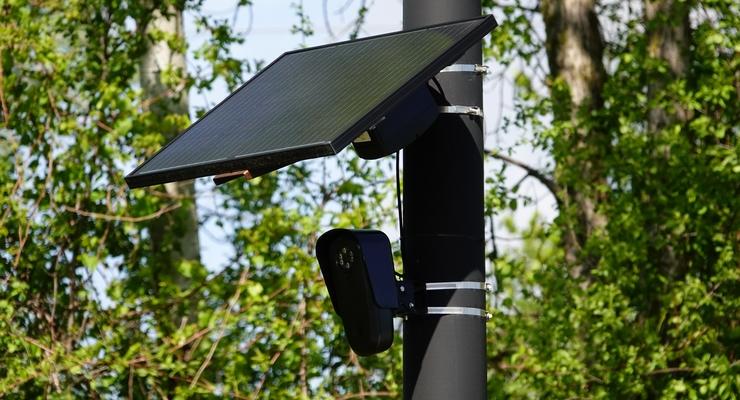
Pasadena’s program dates to a contract the council approved July 17, 2023, with Flock Group Inc. for cameras at 17 intersections. The Police Department now operates 61 fixed cameras and has asked for 11 more, according to a July 2026 review by Independent Police Auditor Teresa Magula.
That review found no evidence camera locations were chosen on the basis of race or ethnicity, and concluded the program complies with state law and department policy with no evidence of use for immigration enforcement.
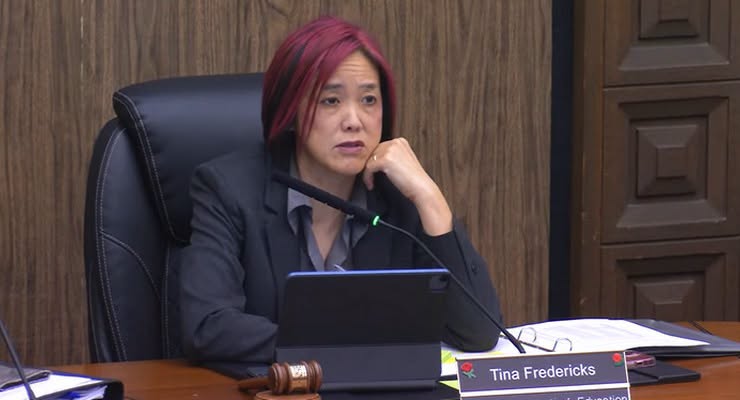
The committee that will decide the contract’s future is split. Minutes of its May 20, 2026, meeting record Vice Mayor Jess Rivas, the Public Safety Committee’s chair, favoring termination without a replacement vendor, and Councilmember Steve Madison supporting continued use with adjustments within the municipal code. Councilmember Tyron Hampton favored a new vendor whose system would hold data for the city’s use only absent a warrant. Councilmember Justin Jones raised concerns about data sharing with Immigration and Customs Enforcement and about camera concentration in District 3, according to the minutes.
The committee’s Aug. 19 hearing on the cameras was canceled for lack of a quorum, under a notice the city posted Aug. 12. An April 15 meeting was canceled as well. Its next regular meeting falls on Sept. 16.
Several dozen residents rallied on the west steps of City Hall on Aug. 19 under the banner “DeFlock Pasadena,” organized by a group called Pasadena Privacy, asking the council to disable and remove the cameras, cancel the contract, decline any replacement vendor and redirect the money to community programs. Organizers say the contract comes up in September.
“It’s unnecessary and it’s creepy as hell,” Rivas told the crowd.
 Get our daily Pasadena newspaper in your email box. Free.
Get all the latest Pasadena news, more than 10 fresh stories daily, 7 days a week at 7 a.m.