







In the smoky aftermath of the Eaton Fire, as neighbors huddled in school gyms and helicopters roared overhead, many of us came to a stark realization — the natural disasters we once thought of as rare are becoming frighteningly familiar. When I walked through the burn areas later, whole blocks had been reduced to outlines of foundations with lone brick fireplaces standing where living rooms once were. A mailbox marking an address that no longer existed and a coffee mug stranded on a patio table, untouched by flames yet abandoned to silence, comforted only by the faded rings where another mug once sat. Fire season is no longer a season — it’s a constant presence in our lives.
My family, like many others, knows someone who lost their home in that fire. It wasn’t just the flames that swept through Eaton Canyon that night. It was a warning. And it’s one we can’t afford to ignore. Climate change doesn’t just spark disasters, it fuels them, creating hotter, drier, wind-whipped conditions that let fires ignite faster and spread farther than ever before.
Pasadena took a bold first step when the City Council unanimously passed Resolution 9977, committing our city to 100% carbon-free electricity by 2030. On December 15, 2025, the council approved the Optimized Strategic Plan (OSP) to get us there. It was a moment of pride and promise. But plans don’t cut emissions — projects do. Now the work begins.
This is what the OSP commits us to — and what it will take to get there.
1. Clean Energy Procurement
The OSP calls for 395 MW of additional carbon free energy and 175 MW of battery storage. Contracts must be executed soon so these resources are online by 2030. That means proactive outreach to developers, collaboration with nearby cities, and real transparency on power-purchase agreements. We cannot confuse delay with diligence.
2. Local Solar Buildout
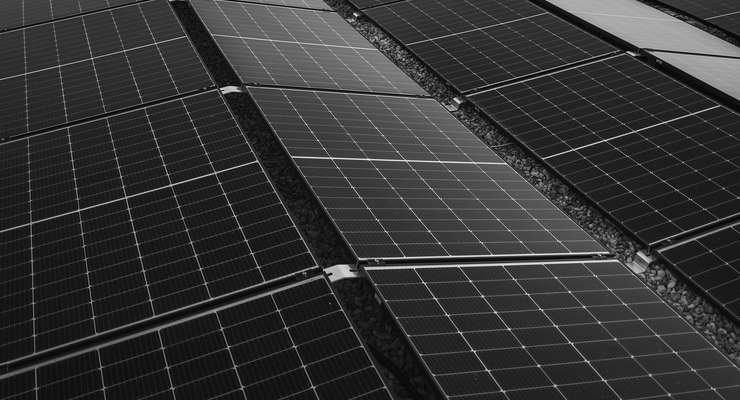
The plan targets 70 MW of municipal solar, with 50 MW coming from homes and 20 MW through a feed-in-tariff that pays businesses for clean power they sell to the grid. That requires streamlined permits, dependable interconnection timelines, and clear incentives so homeowners, schools, and businesses can participate.
3. Energy Storage & Grid Readiness
Clean energy is only as good as our ability to store and distribute it. Pasadena has already moved on the 25 MW battery at Glenarm and will scale storage citywide to meet the OSP’s 175 MW target. The city should add sites on public land, support private installations, and knit these assets together into a virtual power plant. This isn’t a backup plan — it’s the backbone of a modern energy system.
4. Demand Reduction
The OSP sets a 5% annual demand reduction goal and will launch a program so 5000 residential customers can enroll to shift usage out of the most strained hours. On the commercial side, PWP will engage its 60 Key Account customers to co-design demand reduction and rate structures, covering incentives, automation, and communications, so large users can help stabilize the grid without hurting productivity.
None of this is theoretical anymore — it’s now adopted policy. Pasadena has always been a city that innovates — home to Caltech, JPL, and generations of thinkers, artists, and change-makers. Our climate action must reflect that spirit. We don’t lack the technology. What we need is the resolve, coordination, and courage to move from intent to impact.
If the Glenarm plant was once a symbol of our fossil-fueled past, let the coming solar panels, batteries, and community programs become the monuments of our carbon-free future.
The Eaton Fire took something from all of us: security, stability, and the illusion of normalcy. But it also gave us something – a moment of clarity. A reminder that our choices today shape the conditions of tomorrow. And those conditions aren’t measured only in burned homes, they are measured in lives disrupted, lungs scarred, and communities everywhere pushed to the edge of survival.
Pasadena doesn’t have to be reactive. We can be visionary. We can be the city that proves a publicly owned utility can move faster and more boldly than its investor-owned peers. Let the Eaton Fire be more than a tragedy. Let it be the fire that woke us up. The moment that turned policy into purpose. Let this be the generation that looked the climate crisis in the face and chose to act.
The OSP is now the map. Our job — city, utility, and community — is to build the road. Because the truth is, the future is still ours to write and Pasadena must choose to write it in clean energy, not in ash.
Audrey Ma is a student, climate advocate and member of Pasadena100, a coalition advocating for carbon-free energy in Pasadena. She works at the intersection of climate science and climate policy.
 Get our daily Pasadena newspaper in your email box. Free.
Get all the latest Pasadena news, more than 10 fresh stories daily, 7 days a week at 7 a.m.