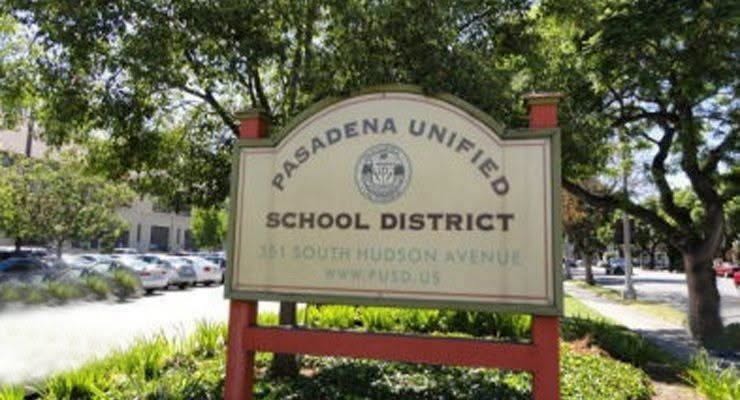










There is a growing concern in Pasadena that the city is losing its unique character and control over how it adds much-needed housing.
A false narrative has arisen of late, that the need for more housing and the need to protect historic resources are at odds with one another. Yet Pasadena has been a leader in demonstrating this is not true, that both needs can – and should – be successfully met. The fact that the State approved our well-crafted Housing Element just three years ago proves Sacramento agrees it can be done.
However, cookie-cutter State mandates like SB 79 are increasingly overriding the very planning principles that made Pasadena one of California’s most beautiful and desirable cities in the first place. Neighborhood fit, historic character, tree canopy, and thoughtful transitions in scale are increasingly being treated as obstacles rather than assets, without any consideration of each city’s unique design and options for thoughtful development to take on California’s housing crisis.
Nowhere is that tension more apparent than in the areas surrounding the Fillmore Station, directly adjacent to Madison Heights. According to Pasadena’s own Planning Commission discussion, the Fillmore station area does not qualify for broader SB 79 protections, leaving nearby historic architecture and neighborhoods especially vulnerable to destruction.
This matters because these are not isolated vacant lots disconnected from the city around them. These are historic residential neighborhoods, landmark streets, mature tree canopies, and carefully scaled communities that define Pasadena’s very identity. Once oversized development begins taking over those neighborhoods, the loss is permanent.
This is how cities lose their character and identity – not all at once, but parcel by parcel, transition by transition, until the very qualities that made a city special are overwhelmed.
Some will argue that Pasadena’s hands are tied because SB 79 is state law. But acknowledging legal constraints is not the same as surrendering local planning judgment. We respectfully urge the City to pursue two courses of action.
First, Pasadena should aggressively pursue every remaining tool available to guide growth responsibly and protect historic assets and neighborhood character where possible, while meeting the state’s urgent need for increased housing and transit-oriented development.
That includes developing a strong Transit Oriented Development Alternative Plan, strengthening transition protections adjacent to historic neighborhoods, adopting objective design standards that better respect neighborhood scale, and directing the greatest intensity toward commercial corridors, vacant properties, and areas already designed for larger-scale development.
Second, Pasadena should urge state representatives to immediately push for more targeted amendments to SB 79 itself, including removing the arbitrary pre-2025 cutoff for historic designation protections and eliminating the troubling 10% cap that could force cities into deciding which historic resources are worthy of protection and which are not.
These are not anti-housing positions. They are pro-planning positions.
Much of Madison Heights was designated as landmark-eligible almost a decade ago, and has been working for nearly as many years on protecting its historic architecture as a landmark district. It’s an arduous task for a large area, but finally complete, and will now take nearly a year to get through the City approval process. But SB 79 will override this landmark district, which is a great resource for the city and state, unless its arbitrary cutoff is eliminated. Pasadena must absolutely evolve and create new housing opportunities. But growth should be thoughtful. It should recognize that not every transit radius is the same, and that historic neighborhoods bordering transit deserve careful transition planning, not one-size-fits-all mandates imposed from Sacramento.
Pasadena’s charm, beauty, and quality of life were not created accidentally. They came from decades of thoughtful planning, architectural stewardship, and respect for neighborhood scale. Once those qualities are eroded, they’re impossible to recover. This is the moment to act.
Submitted by the Madison Heights Neighborhood
Association (representing over 1,500 residents) regarding Monday’s City Council hearing about SB 79.
 Get our daily Pasadena newspaper in your email box. Free.
Get all the latest Pasadena news, more than 10 fresh stories daily, 7 days a week at 7 a.m.