










For years, East Pasadena has slumbered peacefully — a quiet corner of our city defined by modest single-family homes, mid-century commercial strips, and a suburban scale that families have cherished for generations.
We have watched as density crept closer along corridors like Colorado and Rosemead boulevards, but we remained largely undisturbed, trusting that local planning would respect our neighborhood character.
That complacency ended on April 14. The City of Pasadena Planning Director’s recommendation to approve the 600 North Rosemead Boulevard project has awakened a sleeping giant.
The proposal from Elysian Housing seeks to convert a 1960s two-story office building into 51 affordable units and construct a new five-story, 82-unit residential building on the same 2.15-acre site — delivering roughly 133 affordable apartments in total, including two manager units. Staff, under Director Jennifer Paige, found the project consistent with design guidelines and recommended approval, subject to conditions on landscaping, tree removal, and other details.
Proponents rightly note the urgent need for affordable family housing, especially after the Eaton Fire, and praise the adaptive reuse of an underutilized office building.
Yet this is precisely why the giant has stirred. East Pasadena residents are not opposed to affordable housing. We recognize the regional housing crisis and Pasadena’s responsibility to contribute. What we reject is a project that appears to prioritize unit count and state density bonus incentives over thoughtful integration, realistic infrastructure, and basic livability.
At the heart of the concern is parking — or the glaring lack of it. The project provides only about 55 spaces for 133 units.
That works out to roughly 0.4 spaces per unit in a car-dependent area where many units will house families with children. Residents foresee inevitable spillover into neighboring residential streets, shopping centers, and already strained parking areas.
I have publicly urged the Design Commission to demand substantially more on-site parking or reject the project outright, because we must “hold the line on quality design” rather than allow state overrides to erode local standards.
Beyond parking, the scale troubles many. A five-story (or effectively six-story in perception) mass looming next to lower-density homes and commercial uses risks overwhelming the streetscape.
The east elevation, facing quieter residential areas, demands far better architectural sensitivity and massing. Traffic, pedestrian safety, noise, and pressure on schools and services compound the unease. Public comments submitted ahead of the April 14 Design Commission meeting reflect deep frustration: many residents feel the project uses California’s Density Bonus Law to bypass local zoning limits that would otherwise cap height and intensity in this location.
State law encourages 100% affordable projects and streamlined approvals near transit. Supporters stress that this development could roughly double Pasadena’s typical annual production of affordable units and serves working families, special-needs residents, and those displaced by recent disasters. These are valid points.
But proximity to bus service does not magically eliminate the practical realities of daily life in East Pasadena, where rail stations remain distant and car ownership remains essential for most households.
The metaphor of the sleeping giant is apt. For too long, incremental changes along our commercial corridors have lulled residents into assuming that someone else would safeguard our quality of life. The 600 North Rosemead proposal — with its minimal parking, significant height, and reliance on waivers — has changed that. Neighbors who rarely attend public meetings are now organizing, submitting detailed comments, and demanding accountability from the Design Commission.
This awakening should not be dismissed as NIMBYism. Thoughtful, well-designed affordable housing can strengthen communities when it respects context, provides adequate parking and open space, and enhances rather than burdens surrounding areas. East Pasadena has room for smart growth — perhaps townhomes or lower-scale buildings that fit the existing fabric and foster pride of ownership. What we cannot accept is a template-driven project that treats our neighborhood as a blank slate for maximum density.
As the Design Commission deliberates on this consolidated design review, and as the East Pasadena Specific Plan update continues, Pasadena City Hall faces a choice. It can listen to the newly awakened voices who built and sustained this part of Pasadena, or they can signal that local character is expendable in the race for housing numbers.
The giant is awake. It is organized, informed, and committed to ensuring that future development in East Pasadena enhances our shared quality of life rather than diminishing it. We urge the Commission, City Council, and Planning Department to heed this moment: approve only projects that truly fit, mitigate impacts, and honor the neighborhoods they will forever change. Anything less will confirm that the sleeping giant was right to rise.
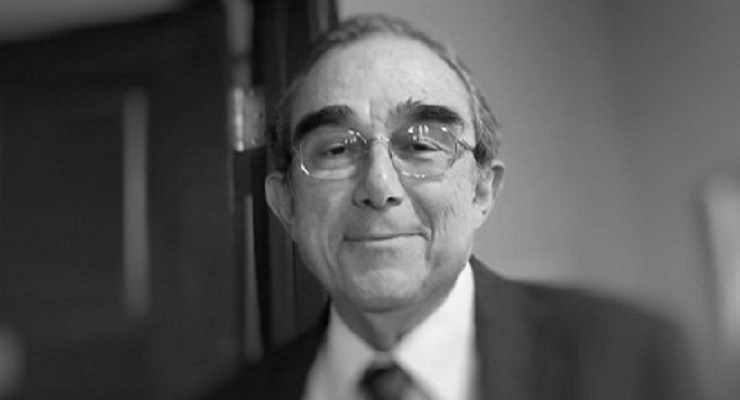
William Paparian is a former mayor of Pasadena
 Get our daily Pasadena newspaper in your email box. Free.
Get all the latest Pasadena news, more than 10 fresh stories daily, 7 days a week at 7 a.m.


