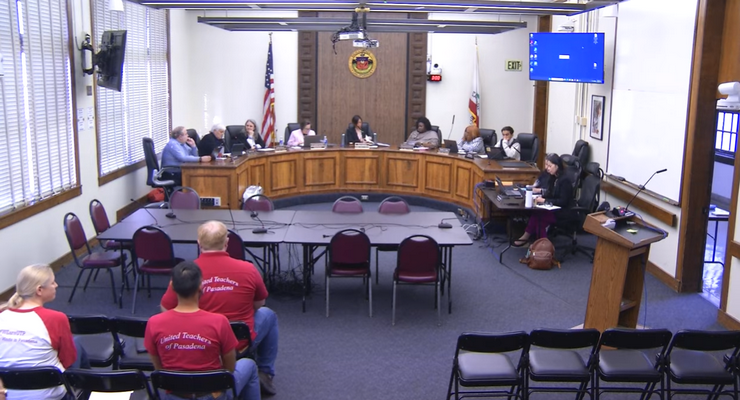





The Pasadena Community Police Oversight Commission is scheduled to receive a detailed review of 15 police use-of-force incidents from the Independent Police Auditor during its upcoming meeting on Thursday, March 12, highlighting both procedural strengths and key areas for reform within the department.
The comprehensive presentation will focus on “categorical” uses of force — including Tasers, police canine bites, chemical agents, and physical strikes — that occurred between June 1, 2024, and June 30, 2025.
This upcoming review is a critical component of Pasadena’s ongoing effort to ensure police accountability and transparency.
For local residents and business owners, the presentation will offer an in-depth look at how the Pasadena Police Department internally investigates its officers’ actions and will outline specific, actionable recommendations designed to improve safety during high-stress encounters.
According to the auditor’s report set to be presented, the department has reportedly determined that all 15 incidents reviewed were “in policy,” meaning the force used was found to be reasonable and aligned with departmental guidelines. The auditor is expected to concur with these findings based on the available evidence.
The presentation will highlight several structural strengths within the department’s current review process. The auditor is expected to commend the prompt on-scene response of supervisors, the thorough multi-layered chain of command review, and the implementation of 30-day training debriefs. Additionally, the report will note a positive trend in defensive tactics training, which has reportedly led to a significant reduction in the use of high-risk closed-fist strikes.
However, the Magula will also outline several she said need improvement.
A primary recommendation set to be discussed is the expansion of the formal review process. Currently, the department only mandates formal reviews for severe “categorical” force. The auditor will urge the department to expand this oversight to include lower-level force incidents, such as control holds and takedowns, to identify problematic patterns early.
Another focus of the upcoming presentation will be the department’s approach to de-escalation. The auditor’s report will reportedly suggest that while officers frequently attempt to de-escalate situations, there is often confusion regarding when to transition to force. The commission will hear a recommendation to rewrite the department’s de-escalation policy, clearly separating communication-based tactics from force-mitigation strategies, and to retrain officers using modern, scenario-based approaches.
The auditor is also scheduled to address logistical and equipment concerns. The report will highlight recurring challenges officers face when controlling combative subjects during transport to police vehicles. To mitigate these risks, the auditor will recommend expanding patrol access to the WRAP restraint device, which is currently limited to supervisor vehicles.
Furthermore, the presentation will touch upon the need for regular audits of body-worn camera compliance and the importance of consistent decontamination protocols following the use of chemical agents like pepper spray.
Finally, the auditor will propose a collaborative effort between the police department and the oversight commission to launch a public education initiative. This proposed campaign would focus on clarifying legal rights and officer safety protocols during traffic stops, aiming to reduce tension and prevent escalation during these common civilian-police interactions.
 Get our daily Pasadena newspaper in your email box. Free.
Get all the latest Pasadena news, more than 10 fresh stories daily, 7 days a week at 7 a.m.