







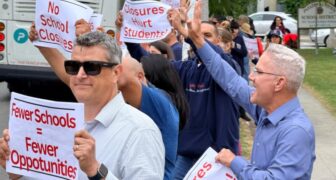

Parents, students and community members raised concerns about transparency, financial impact and student well-being during a Pasadena Unified School District town hall Tuesday on potential school consolidations.
District officials and consultants stressed declining enrollment and financial pressures as key drivers behind the discussion, while repeatedly acknowledging the emotional weight of possible school closures.
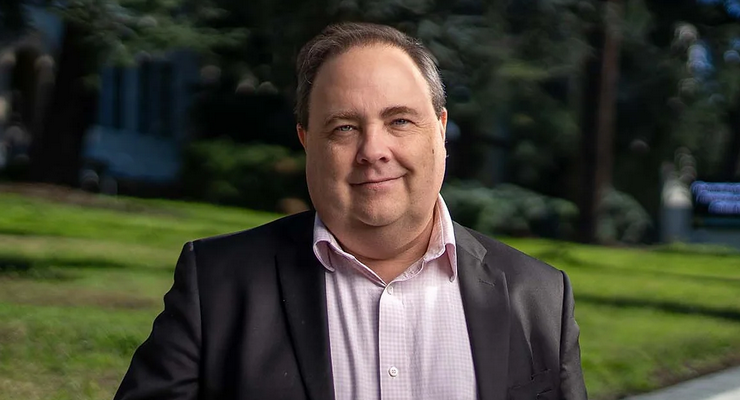
“This is an extremely difficult topic to talk about,” consultant Joseph Pandolfo told attendees, noting that schools are deeply tied to community identity and history.
Pandolfo said enrollment across the state has dropped significantly, with Pasadena Unified School District losing roughly 23% of its students over the past decade, a trend mirrored across Los Angeles County. The decline, he said, has left districts with more school capacity than students, forcing difficult decisions about how to allocate resources.
“If closures were the solution, why are we still here? Again,” said Shana Villalobos. “The district’s own survey reflects nearly a third of respondents do not believe consolidation will deliver the promised benefits. That is not a clear mandate. That is a lack of trust.”
District officials framed consolidation as a potential way to stabilize finances and preserve academic programs, arguing that fewer campuses could allow for stronger offerings and better use of limited funds.
“Closures are often considered to maintain financial stability and protect educational programs,” Pandolfo said, adding that resources saved could be reinvested into student services and facilities.
But many speakers pushed back, questioning whether past closures have delivered the promised benefits and warning that additional consolidation could further erode trust and enrollment.
“There’s no clarity in how this consolidation represents the overall budget needs,” said Jenny Collins. “We’re not saying how many schools should be consolidated to fill a certain gap, right? We have $30 million, and the numbers that we’re seeing about consolidation is just a tiny piece, and it doesn’t really address that big problem.”
District representatives said no final decisions have been made and stressed that the school board will ultimately determine whether any closures occur.
Officials also highlighted efforts to gather public input, including surveys, committee meetings and town halls, and said community feedback will be incorporated into a forthcoming equity impact analysis required under state guidelines.
However, parents and local residents criticized the pace of the process and the quality of information being provided, with one speaker calling the effort “flawed and ineffective” and alleging that community members have been asked to evaluate incomplete or inaccurate data.
Several parents also raised concerns about the potential impact on students, including overcrowding at receiving schools, loss of programs and disruptions to academic progress and social connections.
“The board is considering one size fits all, squeezing these kids into educational experiences that are not optimal for them, will not set them up for success, and that does upset me because PUSD’s superpower is choice,” said Emma Green.
The district is expected to release a draft report outlining potential consolidation scenarios in late May, followed by additional public input before the school board makes a final decision later this summer.
 Get our daily Pasadena newspaper in your email box. Free.
Get all the latest Pasadena news, more than 10 fresh stories daily, 7 days a week at 7 a.m.