





The solstice occurs at 1:24 a.m. Pacific time, when Earth’s Northern Hemisphere is tilted as far toward the sun as it will be this year. For Pasadena residents, that means roughly 14½ hours of daylight, with sunrise that started at around 5:40 a.m. and sunset shortly after 8 p.m.
Unlike the calendar used for meteorological seasons, which treats summer as beginning June 1, the solstice marks the astronomical start of summer. It is tied not to temperature, but to Earth’s orbit and axial tilt — the same mechanics that produce the changing length of days throughout the year.
Jet Propulsion Laboratory describes the June solstice as the point when the Northern Hemisphere receives its longest days and shortest nights of the year.
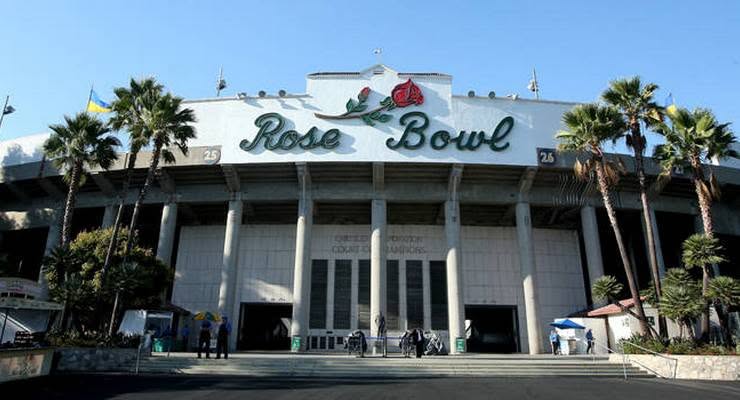
For local residents, the practical effect is simple: Sunday offers the year’s broadest window of natural light, from the early morning hours along the foothills to the long evening glow over west-facing streets, parks and neighborhoods. The effect is especially noticeable in Pasadena’s outdoor spaces, including the Arroyo Seco, the Rose Bowl area and the foothill communities north of the city, where late evening light often remains visible well after dinner.
The solstice does not necessarily mean Pasadena has reached its hottest day of the year. Southern California’s warmest weather often arrives later because land and ocean surfaces continue absorbing and releasing heat after the peak of solar daylight. The same lag explains why late summer and early fall can remain warm even as the days begin slowly shortening.
The solstice also does not always match the earliest sunrise or latest sunset. Pasadena’s longest day occurs around June 21, but the earliest sunrise comes earlier in June and the latest sunset comes later, a result of the geometry of Earth’s orbit and the way clock time relates to solar time.
The science behind the day is ancient as well as modern. For thousands of years, cultures around the world have observed the solstice as a turning point in the year. JPL has noted that ancient structures, including Stonehenge in England and Chichén Itzá in Mexico, were built in part to align with solstices, showing the importance of these seasonal markers long before modern astronomy.
After Sunday, the change will be slow at first — only seconds or minutes at a time — but the direction is set. Each day after the solstice, Pasadena’s daylight will begin to shorten, continuing that way until the winter solstice in December.
 Get our daily Pasadena newspaper in your email box. Free.
Get all the latest Pasadena news, more than 10 fresh stories daily, 7 days a week at 7 a.m.