









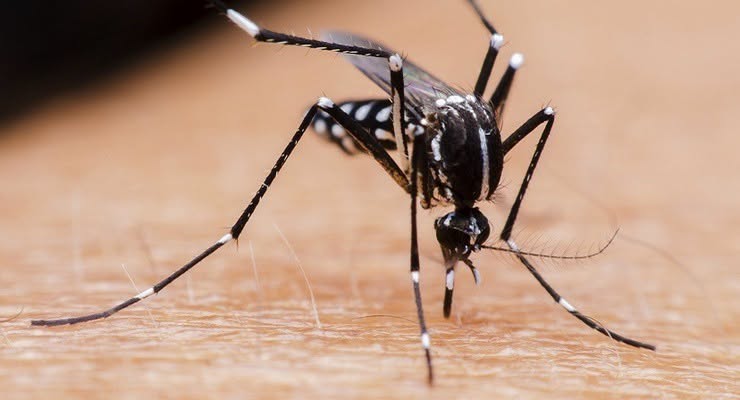
The Pasadena Health Department Thursday confirmed two human cases of West Nile virus in the city.
These detections mark the first human cases of the virus reported in Pasadena this year, prompting health officials to urge residents to take precautions against mosquito bites. , as the last confirmed case in a Pasadena resident was reported in 2025.
According to the PPHD, the cases meet the clinical and initial laboratory criteria for the virus, with confirmatory testing still pending.
The state has reported 452 human cases of the West Nile virus in 2026 as of Oct. 23, noting that 29 deaths occurred across 24 counties, including 251 cases in Los Angeles County, according to the California Department of Public Health.
At approximately the same time last year, 67 human cases were reported across 15 counties statewide.
Health officials said the virus is most often detected during warmer months, when mosquito populations increase, and the disease can spread rapidly.
They added that the outbreak will continue to be monitored as PPHD officials work with the San Gabriel Valley Mosquito and Vector Control District to address increased mosquito activity in public spaces through routine inspections and necessary treatments.
“WNV spreads to people through the bite of an infected mosquito. Most people infected with the virus do not develop symptoms. However, a small percentage can develop a potentially life-threatening illness. There is no vaccine or cure for West Nile virus disease,” Health Officer Dr. Parveen Kaur said in a statement.
Director of Public Health Manuel Carmona said the most effective way for people to protect themselves is by preventing mosquito bites and taking an active role in reducing the threat of the West Nile virus by following prevention tips.
Several actions to reduce the presence of mosquitoes and to prevent bites include inspecting stagnant water around the home weekly, tossing unused containers that can hold stagnant water, using screens on windows and fixing holes in screens, and wearing protective clothing and using insect repellent containing either Picaridin, DEET, oil of lemon eucalyptus, or IR3535.
According to health officials, birds can carry the virus.
Reports have indicated that some birds become very sick and die from the disease.
Residents are encouraged to report dead birds by visiting the California Department of Public Health’s West Nile Virus website, westnile.ca.gov, or by calling 877-968-2473.
 Get our daily Pasadena newspaper in your email box. Free.
Get all the latest Pasadena news, more than 10 fresh stories daily, 7 days a week at 7 a.m.