







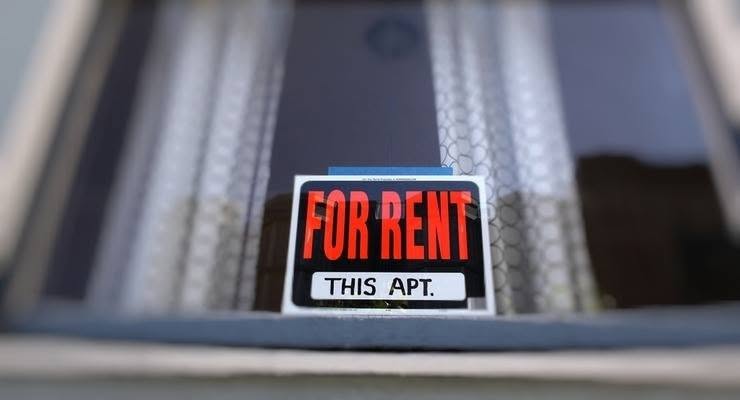
The Pasadena Rental Housing Board is scheduled to open a study session Thursday on whether to formally define a “small landlord” — a step that could lead to reduced relocation payments for owners of three or fewer rental units when they displace tenants through no-fault evictions.
The item is for information only. Rent Stabilization Department staff are asking the Board to receive the report and provide direction on whether to adopt a definition recommended by a Board ad hoc committee in 2024 for relocation assistance purposes, and on whether the term should carry over to other regulatory matters. No change to the relocation payment schedule is up for a vote; staff would develop options and recommendations based on the Board’s direction.
The question has lingered since Sept. 27, 2023, when the Board adopted regulations setting the formulas for relocation assistance and moving expenses that landlords must pay tenants in a no-fault just cause eviction, or when a rent increase in a non-rent-stabilized unit exceeds 5 percent plus the year’s Annual General Adjustment and the tenant cannot afford to pay. Housing providers have since told the Board they cannot afford to move back into their own homes because of the cost, and Board members and members of the public have raised the idea of a second tier of relocation assistance for certain small housing providers.
Base relocation payments in effect from Oct. 1, 2024, through Sept. 30, 2025, ranged from $6,411 for a studio with a tenancy of three years or less to $21,286 for a four-bedroom unit with a tenancy of more than 10 years, plus an additional payment of $6,411 to $12,771 for special circumstances households.
In July 2024, then-Chair Ryan Bell presented a memo establishing the Relocation Assistance Policy Ad Hoc Committee, charging it with reviewing the 2023 regulations and the policies of other California jurisdictions, estimating the costs of an unplanned displacement, considering an assistance program that smaller landlords could apply for, weighing the merits of changing the payment schedule and a possible two-tier system based on the size of a landlord’s portfolio, and returning to the Board no later than its first meeting that October with a recommendation, which could be for changes or no change.
The committee met 14 times between Aug. 7, 2024, and Nov. 13, 2024, and held two facilitated sessions, one for landlords and one for tenants. The committee concluded the responses it gathered were not detailed enough to draw conclusions about the actual costs of relocation for tenants and asked staff to post a questionnaire on the department’s website, which staff did.
The committee reached agreement on one point: it recommended the Board define a small landlord as any landlord that owns three or fewer rental units in the state of California. It forwarded three options for the Board’s feedback without a unanimous recommendation on a path forward; Committee Chair Brandon Lamar wrote that the committee was inviting input from the full Board and the broader community to help explore potential solutions.
The first would give small landlords a 10 percent reduction in total relocation assistance — the sum of the base relocation payment, moving expense stipend and any special circumstances household payment — but only if the Board requests and secures a funding allocation from the City Council for a subsidy program that would fill in the difference so the tenant receives the full amount. Some committee members argued a reduction could disproportionately benefit landlords without significantly easing the burden on tenants, which is why they asked that the city cover the gap.
The second would reduce the base relocation payment by one month’s fair market rent, mirroring a change in state law that limits security deposits to one month’s rent for tenancies beginning on or after July 1, 2024, on the reasoning that the change lowered tenants’ move-in costs.
The third would leave the fee schedule unchanged. That discussion centered on fairness to tenants, who face the same displacement impacts regardless of the size of their landlord’s rental portfolio.
Board members’ written comments included in the committee’s Nov. 21, 2024, report back reflected the split. Allison Henry, who now chairs the Board, proposed a hardship fund financed by the City Council for local landlords — citing one owner pressed to pay $32,000 in relocation assistance — so tenants would still receive their full payment. Lourdes Gonzalez, a Board member at the time, backed the one-month reduction paired with a requirement that the owner demonstrate financial hardship. Deborah Dunlop opposed any two-tier system, writing that she foresaw abuse in confirming the number of units an owner actually holds, but supported approaching the City Council for a small fund to bridge the gap for landlords with proven hardship.
Staff also suggest the Board consider whether a small landlord definition should apply beyond relocation assistance — for example, to reductions in rent increases, to substantial compliance questions in rent rollback petitions before a Hearing Officer, or to a sunset clause on rent overpayments for small landlords found in substantial compliance.
The report carries no fiscal impact.
The Pasadena Rental Housing Board is scheduled to meet at 6 p.m. on Thursday, Sept. 3, in the Council Chamber, Pasadena City Hall, 100 North Garfield Avenue, Room S249, in Pasadena. For more information call (626) 744-4124 or visit https://www.cityofpasadena.
 Get our daily Pasadena newspaper in your email box. Free.
Get all the latest Pasadena news, more than 10 fresh stories daily, 7 days a week at 7 a.m.