




Tim McDonald, the city’s director of libraries and information services, this weeke described the tree-protection effort and the sensor reinstallation as evidence that the project is preserving the building while making it safer.
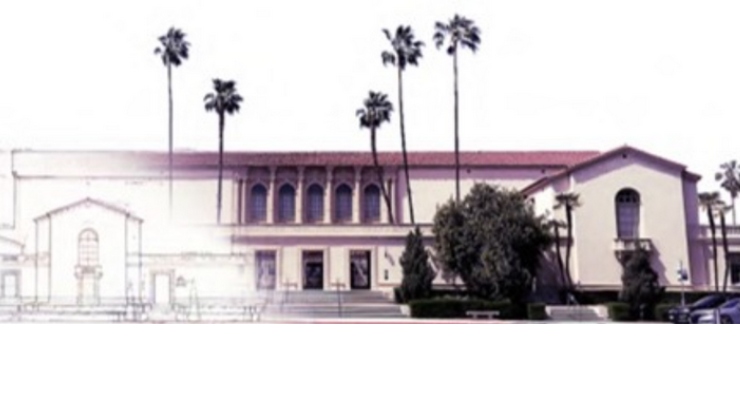
The work is a small, visible slice of one of the largest building projects in the city’s recent history — a retrofit that has kept the flagship library closed for more than five years and is not expected to reopen it until 2028.
An arborist and the project’s architectural team are carrying out a protection plan for the trees, which span many species. Before heavier construction ramps up, the team is weighing measures such as fencing, tree-protection zones and wrapping trunks with boards or padding, with monitoring to continue through the build.
Separately, Caltech specialists have confirmed where earthquake-sensor devices will be reinstalled throughout the building. The instruments, removed during early demolition, are being repositioned away from active construction so they can feed real-time structural data; the new configuration includes 25 monitors tracking vibration, structural movement and other seismic indicators. Caltech, based in Pasadena, is a longtime center of earthquake monitoring in Southern California.
The retrofit exists because the library’s early-20th-century construction no longer meets seismic standards. The 1927 building — roughly 120,000 square feet and part of Pasadena’s Civic Center — closed May 3, 2021, after a review found its unreinforced masonry posed an elevated collapse risk in an earthquake, and it was red-tagged. California requires such structures to be strengthened.
Voters authorized the fix in November 2024, approving Measure PL and $195 million in bonds. The City Council selected PCL Construction Services in July 2025 and, on March 2, approved a Phase 2 construction contract not to exceed about $186 million, with a commitment that 10% of the value flow to local workers, suppliers and subcontractors. The design was led by Gruen Associates under a mayor-appointed oversight committee.
The project is targeted for substantial completion in 2028, when the library — which the City has said drew more than 1,000 visitors a day and hosted hundreds of community events a year before it closed — is expected to reopen. Roughly 70 workers were on site in June, excavating footings and erecting roof scaffolding. Programming has been scattered to branch libraries and online services during the closure.
 Get our daily Pasadena newspaper in your email box. Free.
Get all the latest Pasadena news, more than 10 fresh stories daily, 7 days a week at 7 a.m.