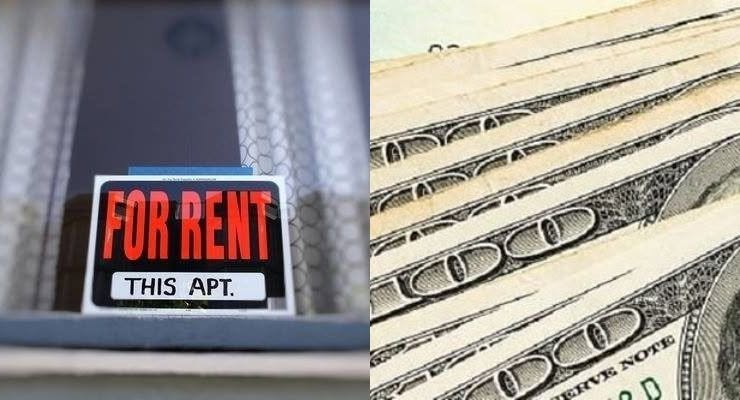









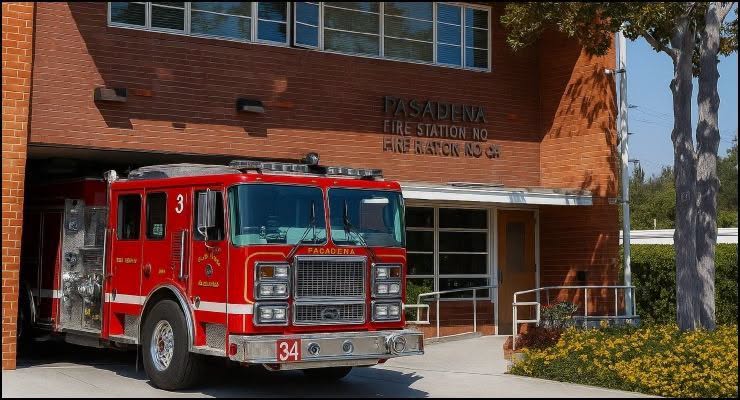
The campaign opposing Pasadena’s Measure PFD has launched its first television commercial and a website, arguing that the proposed fire and emergency services parcel tax would place an unfair burden on property owners already facing rising household costs.
The commercial, titled “Add It All Up,” urges voters to reject the measure while expressing support for Pasadena’s firefighters and paramedics. The campaign said the ad will run throughout Pasadena and is available on its website.
“Public safety funding belongs at the top of the city’s general fund, not on a new line of every homeowner’s property tax bill,” Sarah Moore, president of the Pasadena-Foothills Association of Realtors, said in the campaign’s announcement.
Measure PFD would impose an annual tax of 19 cents per square foot of improved property for 14 years. The city estimates it would generate about $22.1 million annually for fire protection and emergency medical response. The measure is on the Nov. 3 ballot and requires two-thirds voter approval.
The opposition’s commercial cites a $304 annual tax bill for what it describes as a typical home. The city uses a 1,600-square-foot residence as its example for that amount; individual bills would depend on building square footage. The tax would apply to residential, commercial and other developed properties, subject to exemptions.
The ad also contends that many households would face more than $1,700 in new taxes since 2020 when the proposed levy is combined with other increases. The campaign’s announcement did not provide a breakdown supporting that figure.
“Supporting firefighters doesn’t mean saying yes to every bill labeled ‘public safety,'” the commercial states.
Moore argued that property owners would bear the direct cost of a service used by residents, commuters, tourists and others.
“Firefighters and other public safety personnel protect homeowners and renters, workers and commuters, tourists, Rose Bowl crowds, and people experiencing homelessness,” Moore said. “Measure PFD shifts the entire bill to one group.”
She also challenged the use of building square footage to calculate the tax, saying emergency medical calls account for most Fire Department responses. Moore cited more than 17,000 calls in 2021, including more than 13,000 medical calls.
The campaign argues that the added expense would particularly affect middle-income homeowners who do not qualify for assistance.
Although the campaign announcement describes an exemption limited to qualifying low-income seniors, the city’s published information lists additional exemptions, including certain very-low-income households, households receiving senior or disability utility users tax exemptions and qualifying government, religious or community-service properties.
According to the city, proceeds could support fire station improvements, emergency equipment, firefighter recruitment and retention, paramedic response capacity and wildfire preparedness. The measure would require independent audits and public spending disclosures, with revenue restricted to local fire services.
 Get our daily Pasadena newspaper in your email box. Free.
Get all the latest Pasadena news, more than 10 fresh stories daily, 7 days a week at 7 a.m.