




The City of Pasadena on Wednesday announced a 30-day extension of the public review period for the Draft Environmental Impact Report on the Arroyo Seco Water Reuse Project, bringing the total review window to 90 days.
The new deadline for public comment is Saturday, Aug. 1, at 11:59 p.m., pushed back from the previously scheduled July 2 closing date, the city said. Written comments may be submitted electronically to cmonde@cityofpasadena.net.
“The extension recognizes the significant public interest in the project and provides additional time for interested parties to review the document and submit comments,” city spokesperson Lisa Derderian said in the announcement. “The project is intended to improve water quality and help the cities of Pasadena and South Pasadena meet state and federal regulatory requirements.”
The Draft EIR has drawn opposition from community groups, environmental advocates, the Gabrieleño Band of Mission Indians – Kizh Nation, and a Los Angeles City Councilmember.
The City of Pasadena is the lead agency for the Arroyo Seco Water Reuse Project and the City of South Pasadena is a partner, according to project documents. Planning has been under way since 2019, according to project background materials.
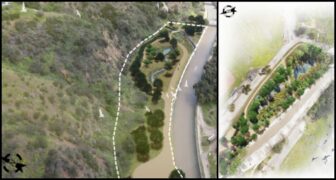
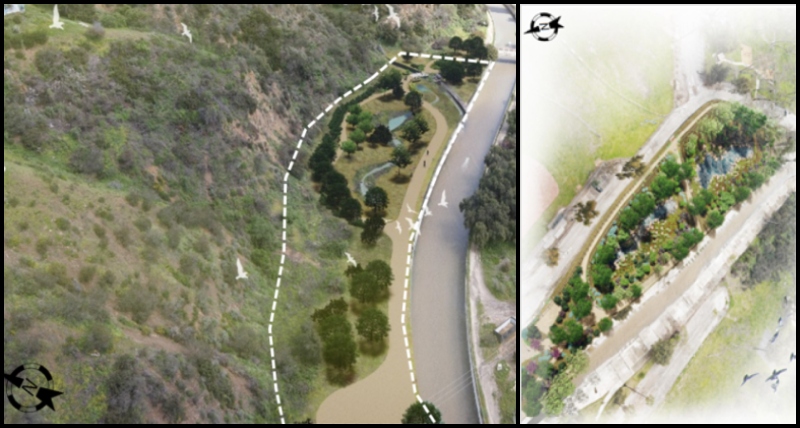
The project proposes construction of two regional stormwater capture and treatment facilities on approximately 3.6 acres of open-space-zoned land along the Arroyo Seco Channel, according to project documents.
The San Rafael site, at 1.5 acres, is located in Pasadena, southwest of the San Rafael Avenue overpass and west of the Arroyo Seco Channel. The San Pascual site, at 2.2 acres, is located across South Pasadena and Los Angeles, southeast of the San Pascual Avenue overpass between the channel and Stoney Drive, with approximately 0.53 acres of that site within the City of Los Angeles.
The project is driven by a state regulatory mandate, according to project documents. The Los Angeles Regional Water Quality Control Board adopted a resolution on July 9, 2010, establishing a Total Maximum Daily Load for indicator bacteria in the Los Angeles River watershed, which includes the Arroyo Seco Channel, project documents state. The San Rafael Creek outfall was identified as a priority outfall due to bacteria levels that consistently exceed allowed limits, according to project documents.
The two facilities would produce an annual average water supply benefit of 320 acre-feet, of which approximately 258 acre-feet would be used for groundwater recharge and approximately 30 acre-feet would be reused for irrigation at the Arroyo Seco Golf Course in South Pasadena to reduce potable water demand.
Funding for the project totaling approximately $14.14 million has been secured, according to city project materials, from a $3.5 million grant through the California Department of Parks and Recreation’s Urban Counties Per Capita Program, secured through the office of former State Senator Anthony Portantino; $9.33 million from Los Angeles County’s Safe, Clean Water Program, known as Measure W; approximately $1.37 million in City of Pasadena Local Return dollars; and approximately $438,000 in City of South Pasadena Local Return dollars.
The current Draft Environmental Impact Report is the result of a 2024 lawsuit, Solis v. City of Pasadena, et al., filed by Clara Solis and the Save San Pascual Park group, according to court records. The Pasadena City Council had approved the project’s original Mitigated Negative Declaration on its consent agenda in June 2024 without public discussion, according to project records. The lawsuit challenged the adequacy of that Mitigated Negative Declaration and argued for a higher level of environmental review, according to court records. The City of Pasadena settled the lawsuit in early 2025 and agreed to prepare a full Environmental Impact Report, according to court records and project materials.
The Draft EIR was released for public review on May 4, 2026, with an original 45-day public comment period scheduled to close June 17, 2026, according to project documents. The city subsequently extended the review to July 2, and, per the current announcement, has now extended it a second time to Aug. 1.
The Kizh Nation has formally opposed the project, according to project records and a letter from the tribe. In a June 2025 letter to the City of Pasadena, hereditary chief Andrew Salas called for “full avoidance” of the project’s location and said the area has, per the tribe’s substantial evidence, a “high probability of encountering ancestral human remains,” according to the letter. The City of Pasadena consulted with the Kizh Nation in April 2025 regarding mitigation measures in the event of the discovery of tribal cultural objects or human remains, according to the EIR. California law known as AB 52 requires tribal consultation before EIR certification; opponents have alleged the initial process failed to comply, according to project background materials.
On May 22, 2026, Los Angeles City Councilmember Ysabel Jurado, whose Council District 14 covers Boyle Heights, Downtown Los Angeles, and parts of northeast Los Angeles, introduced Resolution Council File 26-0777 formally opposing the project on City of Los Angeles-owned parkland at San Pascual Park, according to the resolution text.
If passed, the resolution would declare San Pascual Park “a public open space asset, inviolate and in perpetuity” with no industrial infrastructure use, according to the resolution. The resolution urges the cities of Pasadena and South Pasadena to permanently abandon the proposed project, according to the resolution text. A full Los Angeles City Council vote on the resolution was scheduled for 10 a.m. on July 1, 2026. The outcome of that vote was not immediately available.
Stewards of the Arroyo Seco, an environmental advocacy organization led by Executive Director Tim Brick, opposes the project as currently designed.
In a June 25, 2025 guest opinion published by Pasadena Now, Brick wrote that Pasadena staff “is proposing an overengineered program that relies on pipes, plumbing, and artificial pools that will clutter the Lower Arroyo with industrial facilities and present new barriers for fish, wildlife, and stream restoration.”
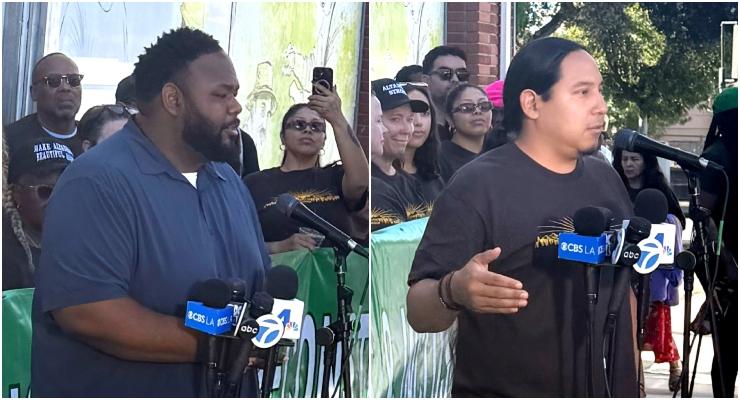
Opponents held a rally at San Pascual Park in Los Angeles on Monday, June 29. Brick spoke at the rally, according to a Pasadena Stat-News account of the rally. Amada Segura, a local resident and organizer with Save San Pascual Park, is among those opposing the project who have cited environmental impact, removal of trees, diversion of water to the Arroyo Seco Golf Course, and the Kizh Nation’s call for “full avoidance” as reasons for opposing the project.
After the public comment period closes, the City of Pasadena must prepare responses to comments and certify a Final Environmental Impact Report before any project approvals can proceed, according to project documents.
Additional information about the project is available on the city’s website at https://www.cityofpasadena.net/public-works/engineering-and-construction/construction/arroyo-seco-water-reuse-project/.
 Get our daily Pasadena newspaper in your email box. Free.
Get all the latest Pasadena news, more than 10 fresh stories daily, 7 days a week at 7 a.m.