



The Supreme Court ruled 6-3 on Tuesday that children born in the United States to parents who are undocumented or in the country temporarily are citizens at birth under the 14th Amendment’s Citizenship Clause. The ruling, written by Chief Justice John Roberts, rejected an executive order President Donald Trump signed on his first day back in office in January 2025 seeking to end automatic citizenship for those children. The order never took effect; every lower court that reviewed it blocked it before the case reached the Supreme Court.
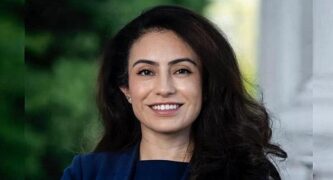
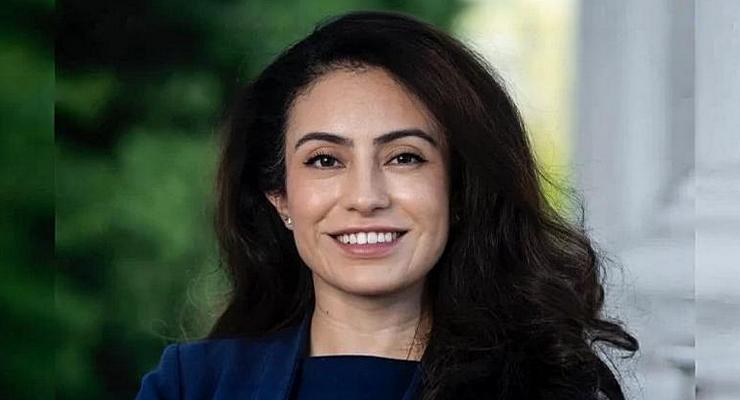
Pérez, whose 25th Senate District includes Pasadena and Altadena along with other San Gabriel Valley communities, said the ruling settles what she called a divisive question.
“The Supreme Court has correctly settled this divisive question by affirming that children born to any parents whether unlawfully or temporarily present in the United States are U.S. citizens at birth under the Fourteenth Amendment,” Pérez said in the statement. “These children are American and their standing as U.S. citizens should never be trivialized for political gain.”
Pérez said the administration’s attempt to end birthright citizenship echoed a broader pattern: people who once benefited from a right trying to close it off once they no longer needed it. She framed the ruling as a victory for the country’s diversity, saying she hopes it will help unify people as the nation prepares to mark its 250th anniversary next year.
Three conservative justices dissented from Tuesday’s ruling, including Justice Samuel Alito, who wrote that the court had made “a serious mistake.” Reacting to the decision, Trump wrote on Truth Social that he would push Congress to pass legislation curbing birthright citizenship, adding that no constitutional amendment would be necessary to do so.
The case, Trump v. Barbara, drew national attention as one of the most closely watched rulings of the court’s term. It centered on whether the Citizenship Clause’s language — that citizens are those born in the U.S. and “subject to the jurisdiction thereof” — extends automatically to children of parents without legal permanent status, a question the court last addressed directly in the 1898 case United States v. Wong Kim Ark.
 Get our daily Pasadena newspaper in your email box. Free.
Get all the latest Pasadena news, more than 10 fresh stories daily, 7 days a week at 7 a.m.